Exercise Physiology
Guildford
Specialised Exercise Physiology services in Guildford to help you recover safely, build strength and feel your best everyday.
Clinical Exercise Physiology is ideal for anyone needing individualised, evidence based support to manage a health condition, recover from injury or improve strength, mobility and everyday function through safe, guided movement.
Our Exercise Physiology service will be led by Scott, an Accredited Exercise Scientist (AES) and Accredited Exercise Physiologist (AEP), who brings extensive experience supporting clients with a wide range of clinical, neurological, musculoskeletal and chronic health needs.
We are taking new clients at our Guildford studio.
What is Exercise Physiology?
Clinical Exercise Physiology focuses on the use of exercise therapies to help people prevent, manage, and recover from a wide range of health conditions, including chronic diseases, physical injuries, and mobility limitations, through safe, evidence-based movement.
Unlike a personal trainer, who focuses on general fitness and performance, an Exercise Physiologist works with medical and health conditions, such as diabetes, arthritis, heart disease, or rehabilitation after surgery. They specialise in long-term management and movement-based recovery, helping you safely rebuild strength, function, and confidence.
We provide tailored exercise interventions for a wide range of clinical needs, including neurological conditions such as stroke, Parkinson’s disease and multiple sclerosis, cardiac rehabilitation, musculoskeletal injuries, chronic pain, post operative recovery and chronic conditions such as Type 2 diabetes, arthritis, PCOS and osteoporosis.
Our approach is holistic and client centred, focusing on education, sustainable lifestyle change and helping you build long term strength, independence and confidence through movement.
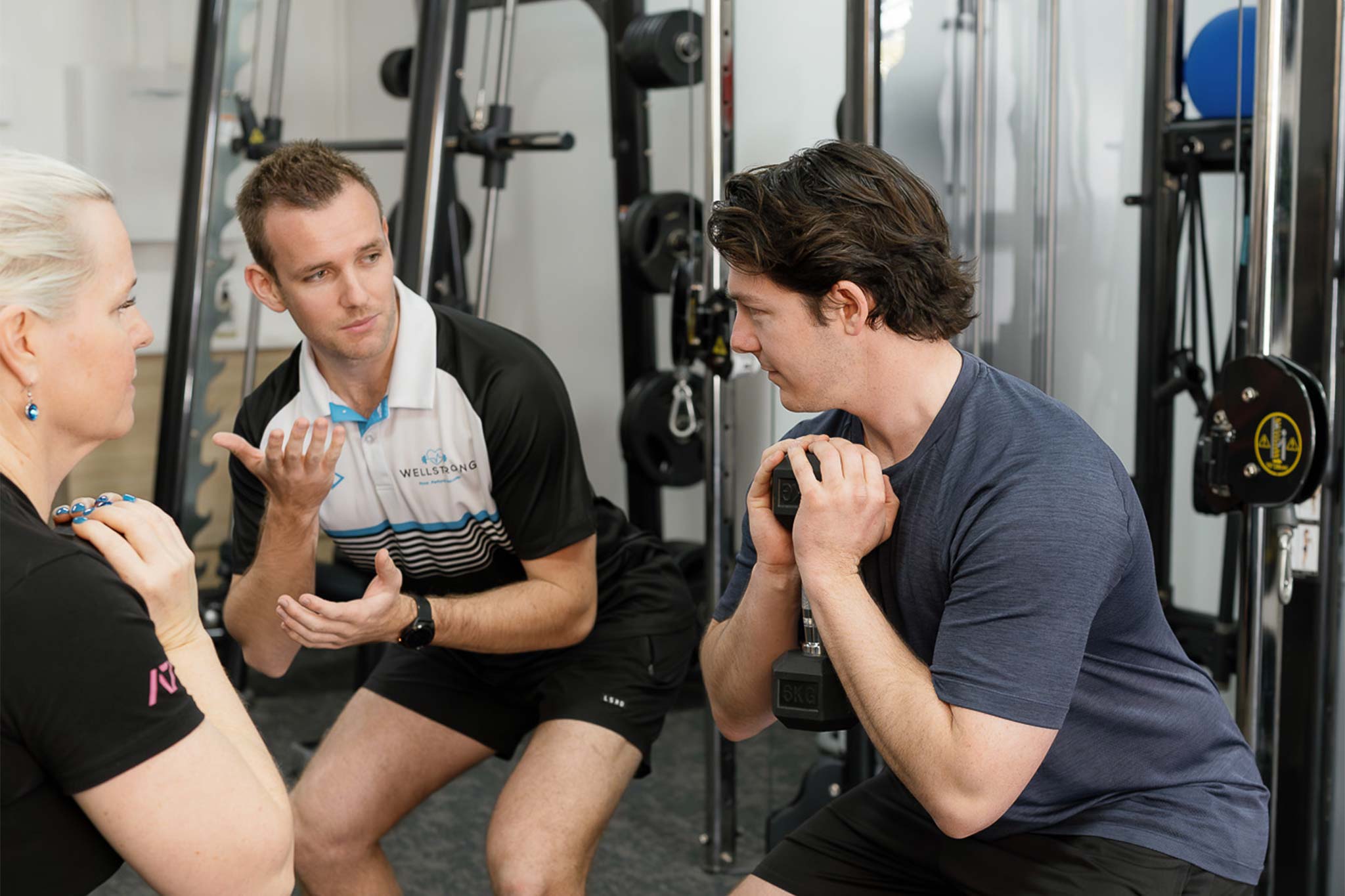
How Exercise Physiology can support you
Exercise Physiology helps improve movement, manage health conditions and support long-term wellbeing through personalised, evidence based exercise.

Neurological health
- Stroke
- Parkinson’s disease
- Multiple sclerosis

Cardiovascular health
Guided exercise supports heart health, recovery and safe progression after cardiac events.
- Cardiac rehabilitation
- Cardiovascular fitness support

Musculoskeletal injuries
Targeted strength and movement training helps reduce pain and restore functional capacity.
- Acute and chronic injuries
- Joint, tendon and soft-tissue pain
- Chronic pain management

Post operative rehabilitation
Exercise Physiology assists with safe recovery and rebuilding strength after surgery.
- Restoring mobility
- Regaining strength
- Returning to everyday movement

Chronic health conditions
Structured exercise can help manage symptoms, improve energy and support long-term health.
- Type 2 diabetes
- Arthritis
- PCOS
- Osteoporosis
Who can benefit from Exercise Physiology?
Clinical Exercise Physiology is suitable for anyone who wants to improve their health, manage a condition, or recover safely through movement. Whether you’re living with a chronic condition, coming back from injury, or simply wanting to move with more confidence, our programs are designed around your individual goals and ability.
Our Accredited Exercise Physiologist works with a wide range of clients across diverse clinical populations.
Injury recovery & rehabilitation
Regain strength, mobility, and confidence following surgery, workplace, or sports-related injuries.
Lifestyle management
Improving overall fitness, posture, and mobility through sustainable programs that build lasting habits to suit your lifestyle.
Chronic health conditions
Personalised, evidence-based exercise to help manage chronic conditions including diabetes, arthritis, and heart disease.
NDIS participants
Tailored programs to support independence, mobility, and quality of life for clients with disability or functional limitations.
Older adults
Mental health support
Women’s health
Personalised exercise to support pre and postnatal recovery, perimenopause, and lifelong health.
Functional Performance
Meet your Exercise Physiologist Scott
Scott leads Exercise Physiology at Wellstrong. An Accredited Exercise Scientist (AES) and Accredited Exercise Physiologist (AEP) with a background in Exercise and Sports Science and High-Performance Strength and Conditioning, he combines clinical expertise with a practical, supportive approach to help clients achieve lasting results.
Scott has worked with a diverse range of clients, from semi-elite and youth athletes to retirees and recreational exercisers, and understands how to adapt exercise to every ability level. Scott’s expertise in human movement, anatomy, and physiology enables him to design programs that bridge the gap between rehabilitation and performance.
Whether you’re rebuilding strength, managing a condition, or simply ready to move better, Scott will guide you through a program that’s safe, personalised, and built around your goals.
Movement looks different for everyone, but it matters for all of us.
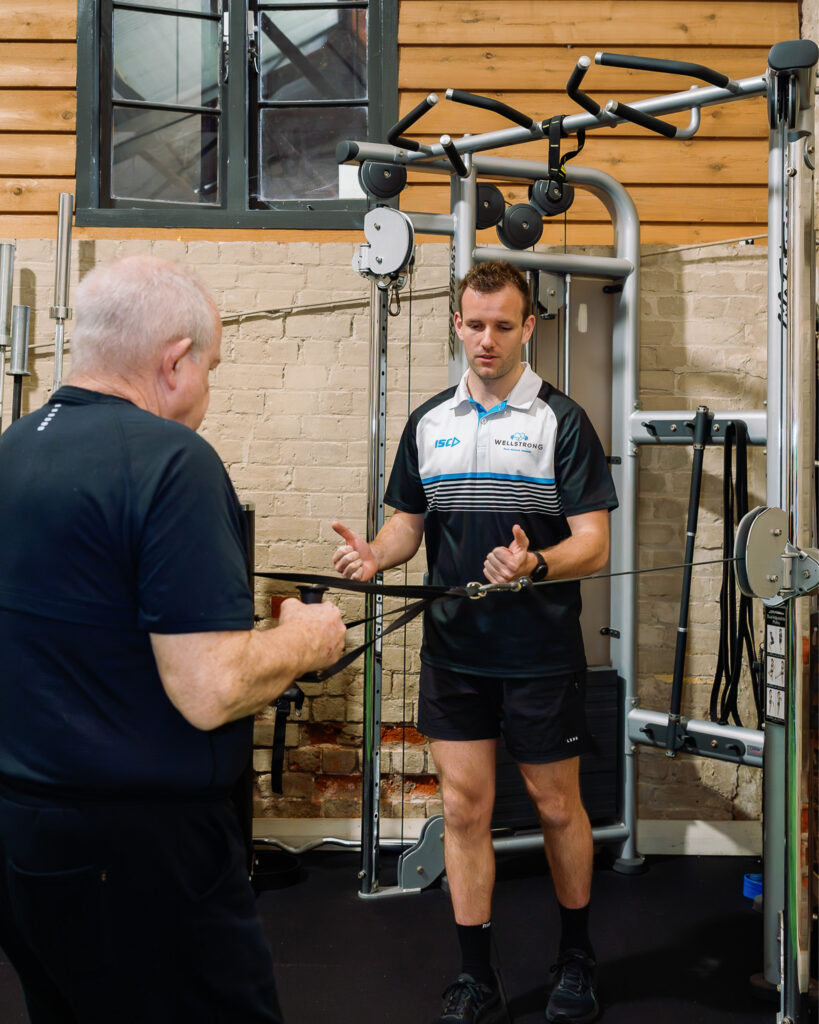
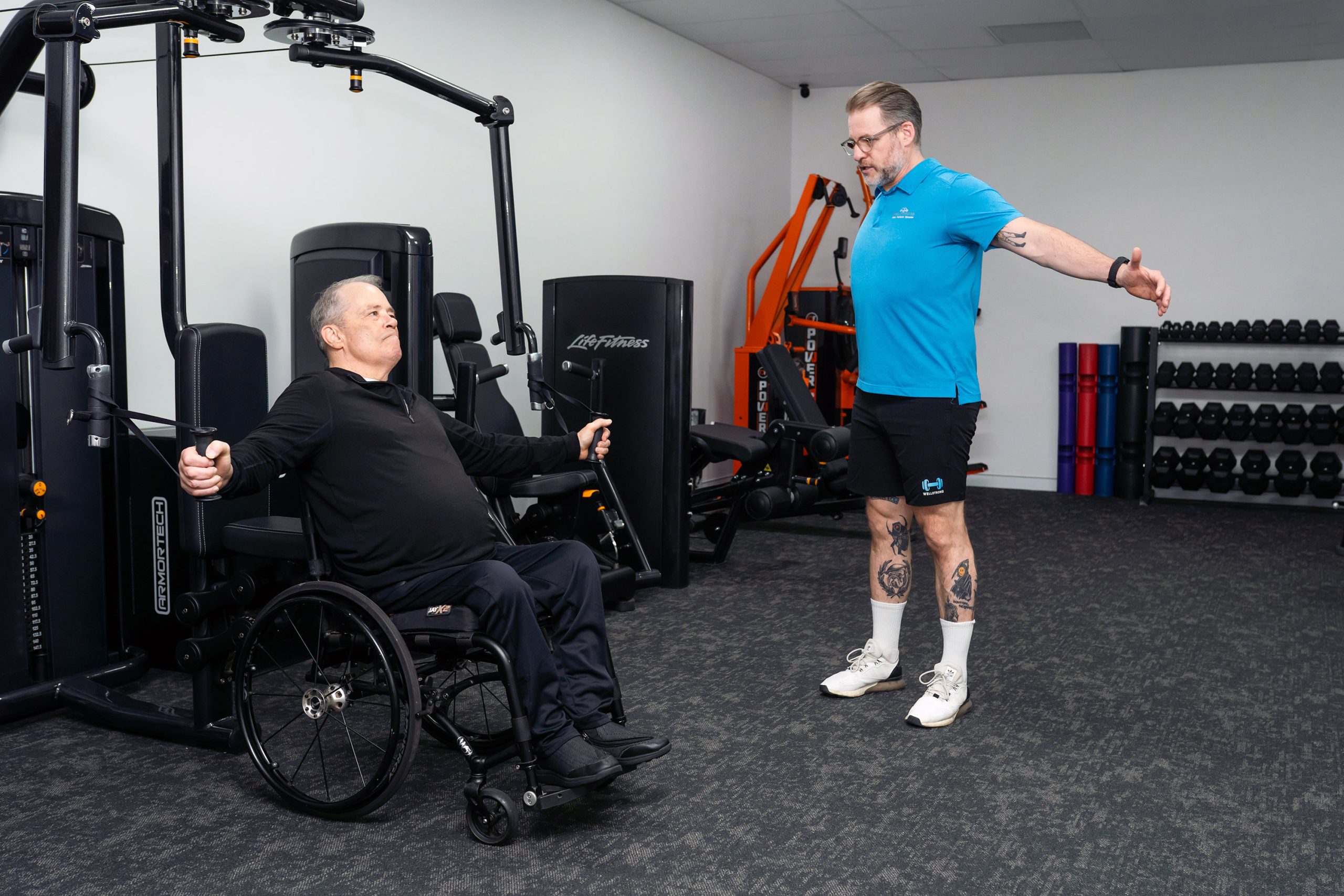
Inspiring strength and mobility for NDIS participants
Wellstrong is a registered NDIS provider offering personalised Exercise Physiology services for NDIS participants. Our Accredited Exercise Physiologist works closely with other allied health professionals to ensure your program complements your overall health and wellbeing goals.
Exercise Physiology sessions are available to participants with self-managed and plan-managed NDIS plans.
Common questions about Exercise Physiology
What exactly is a clinical exercise physiologist and how is it different from a personal trainer or physiotherapist?
A Clinical Exercise Physiologist (AEP) is an allied health professional who uses exercise to prevent, manage, and rehabilitate health conditions. Unlike personal trainers, AEPs are university-qualified and accredited through Exercise & Sports Science Australia (ESSA), with expertise in working with chronic disease, injury, and post-surgery recovery.
Physiotherapists focus on diagnosing and treating pain or acute injury. Exercise Physiologists specialise in long-term management and movement-based recovery, helping you rebuild strength, mobility, and confidence safely and effectively.
Do I need a referral or can I book directly for an exercise physiology assessment?
You don’t need a referral to start your journey with us, you can book directly for an Exercise Physiology assessment at any time. Many of our clients come to us privately for help with strength, recovery, or health management.
A referral is only required if you’re claiming through Medicare, DVA, or workers’ compensation. Medicare rebates are available under a Chronic Disease Management plan from your GP. NDIS participants can access Exercise Physiology under self- or plan-managed arrangements.
What will the initial assessment involve and how long will it take?
Your first session is an initial assessment that takes around 45–60 minutes and includes a chat about your health history, current challenges, medications, and goals. From there, we’ll complete a series of gentle, relevant assessments, such as strength, mobility, balance, or posture testing, depending on your needs and comfort level.
The aim is to build a clear picture of where you’re at now and what’s going to help you most. You’ll leave with a personalised plan and clear next steps that might include home exercises, guided sessions, or collaborative care with your other health providers.
Can you work with my other health professionals and my existing health conditions?
Yes. We regularly collaborate with GPs, physiotherapists, specialists, and other allied health providers to ensure your care is coordinated. With your consent, we’ll share updates and progress reports so everyone involved understands your goals and plan.
Our Exercise Physiologist is experienced in supporting a wide range of health conditions and will adapt your program as needed to keep it safe and effective.
Is my exercise physiology program covered by private health insurance, Medicare or the NDIS?
Yes, in many cases, your Exercise Physiology sessions can be partially covered depending on your situation. Many private health insurers offer rebates for Exercise Physiology under Extras cover, though amounts differ between funds and levels of cover.
If you have a chronic condition and your GP has set up a Chronic Disease Management plan, you may be eligible for up to five Medicare-rebated sessions per calendar year across allied health providers. We can help you understand how that works when you book.
Wellstrong is a registered NDIS provider, offering Exercise Physiology under Improved Health and Wellbeing or Improved Daily Living categories. Both self-managed and plan-managed participants are welcome.
What happens if I miss sessions or my condition or goals change?
We understand that life doesn’t always go to plan. If you need to cancel or reschedule a session, just let us know as soon as possible.
If your goals, condition, or circumstances change, we’ll simply adjust your program. Your Exercise Physiologist will regularly check in, review your progress, and make updates as needed to ensure your sessions continue to feel relevant, achievable, and safe. Whether you’re moving through recovery, entering a new phase of training, or just need a reset, we’ll adapt your plan to meet you where you are.
Am I eligible for Medicare rebates for exercise physiology under a chronic disease plan?
Yes you are! If you have been given a GPCCMP (General Practitioner Chronic Conditions Management Plan), a portion of your AEP session will be eligible for rebate. On a GPCCMP you are eligible to claim a rebate up to 5 AEP sessions per calendar year. You will pay the clinic the full cost of the session up front and Medicare will send you the rebate within 1-2 days back to your bank account.
Do you provide exercise physiology for children and teenagers?
At Wellstrong we work with many teenagers to manage general health and wellbeing, complex chronic health conditions, and even optimising high performance for high level athletes.
What health conditions do you have experience supporting?
We have experience supporting a range of conditions, including, overweight and obesity, PCOS (Polycystic ovarian syndrome), POTS (postural orthostatic tachycardia syndrome), hypermobility, autism spectrum disorder, chronic musculoskeletal conditions, ADHD, and talipes.
Can I use NDIS funding for exercise physiology, and what support category does it come under?
Yes you can! Exercise physiology is recognised as an allied health therapeutic support by the NDIS. Funded clients can work with AEPs given that exercise physiology is related to their client goals and disability needs. NDIS for AEP services falls under the Capacity Building Support, usually for Improved Health and Wellbeing or Improved Daily Living.
What our clients say about Wellstrong
Enquire Now
Contact us to learn more about our Exercise Physiology service.
"*" indicates required fields