Exercise for Cardiovascular Health
Personalised training & Exercise physiology to support heart health, build aerobic capacity, and promote long-term wellbeing.
At Wellstrong, cardiovascular health is supported through individually prescribed, evidence-based exercise designed to improve heart function, circulation and aerobic capacity. Programs help manage risk factors such as high blood pressure, cholesterol and diabetes in a safe, sustainable way.
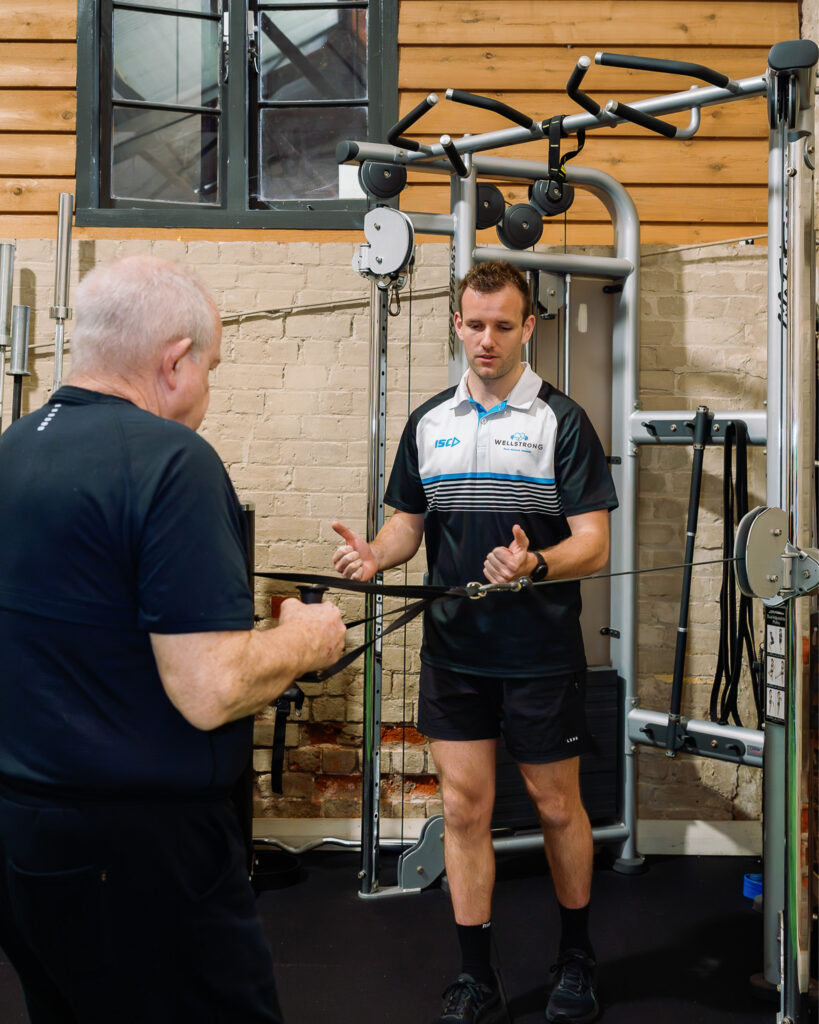
Delivered by our Accredited Exercise Physiologist, Scott, our programs support heart health through safe, evidence-based exercise. Each plan builds from everyday movement toward long-term cardiovascular wellbeing, beyond short-term rehabilitation.
Reducing Cardiovascular Risk Through Exercise
For individuals without diagnosed heart disease, structured exercise helps reduce risk factors early and supports long-term heart health and functional independence.
For those with existing conditions or elevated risk, exercise is used to slow progression, improve functional capacity, and reduce the likelihood of future events.
Addressing cardiovascular risk early helps stop small issues from developing into more serious heart conditions. Early action also supports better heart function, improved energy levels, and greater confidence with movement, contributing to a healthier and more active life over time.

How Exercise Supports Cardiovascular Conditions
Structured, evidence-based exercise improves heart function, circulation, and fitness while safely managing cardiovascular risk factors.

High blood pressure

High cholesterol
Exercise supports healthier lipid profiles by improving cholesterol metabolism and cardiovascular efficiency.

Type 2 diabetes

Obesity

Sedentary lifestyle
Who can benefit from a Cardiovascular Exercise Program?
Our programs are designed for anyone looking to improve their health, manage a condition, or recover safely through movement.
Whether you’re living with a chronic illness, returning from injury, or simply wanting to move with greater confidence, support is tailored to your individual goals and capacity.
Heart disease management
Post-cardiac event recovery
Hypertension control support
High cholesterol management
Type 2 diabetes support
Chronic fatigue and low endurance
Weight management support
Prevention and risk reduction
Strengthen heart health and reduce future cardiovascular risk through evidence-based exercise programming.
Meet your Exercise Physiologist Scott
Scott leads Exercise Physiology at Wellstrong. An Accredited Exercise Scientist (AES) and Accredited Exercise Physiologist (AEP) with a background in Exercise and Sports Science and High-Performance Strength and Conditioning, he combines clinical expertise with a practical, supportive approach to help clients achieve lasting results.
Scott has worked with a diverse range of clients, from semi-elite and youth athletes to retirees and recreational exercisers, and understands how to adapt exercise to every ability level. Scott’s expertise in human movement, anatomy, and physiology enables him to design programs that bridge the gap between rehabilitation and performance.
Building cardiovascular strength looks different for everyone, but the benefits are for life.
Supporting cardiovascular health for NDIS participants
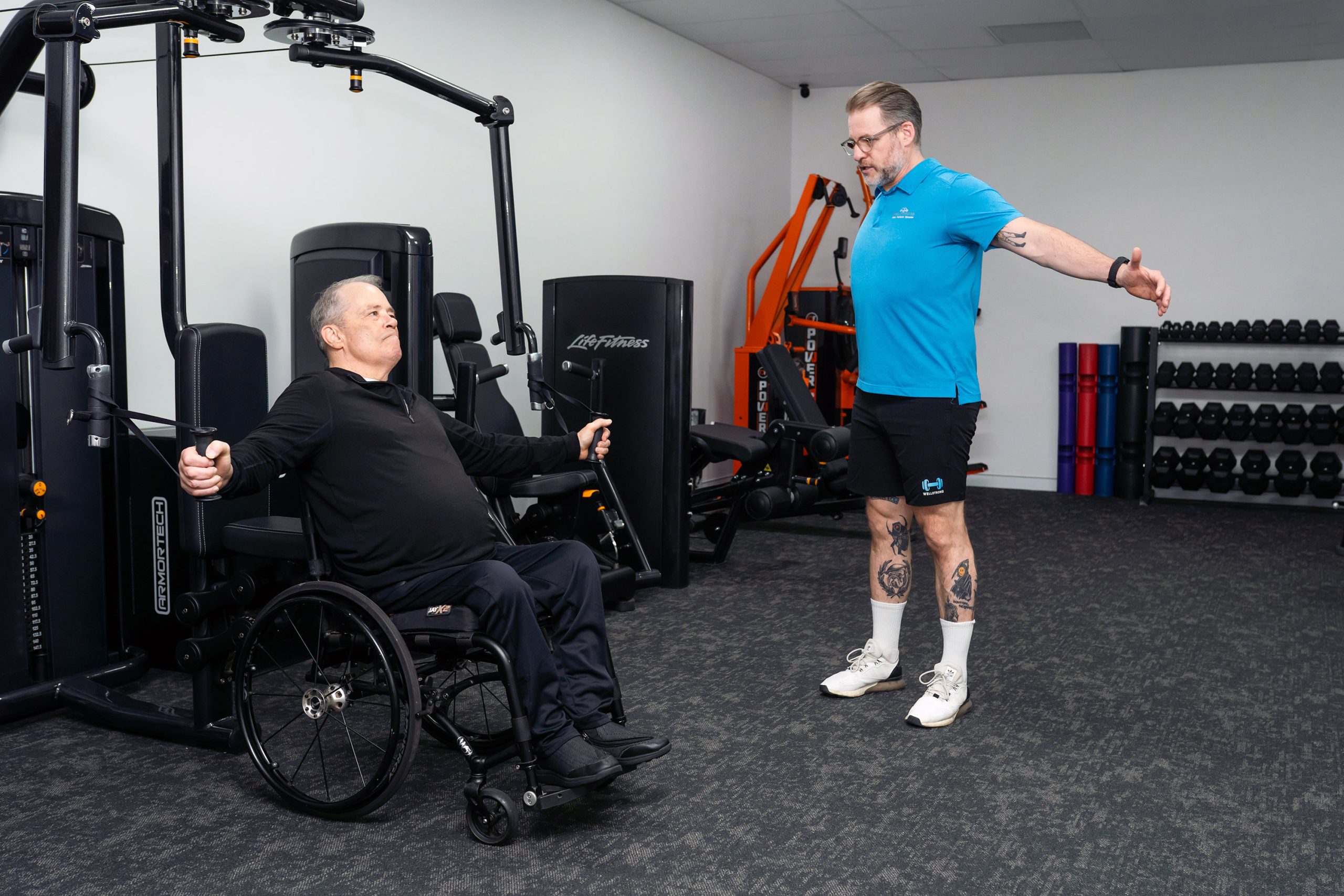
Wellstrong is a registered NDIS provider delivering personalised Exercise Physiology services focused on improving cardiovascular health, endurance, and functional capacity. Our Accredited Exercise Physiologist tailors your program to support overall wellbeing and long-term heart health.
Programs are delivered within clear clinical safety parameters to ensure exercise remains appropriate and effective at every stage. Referrals are welcome but not always required.
Cardiovascular Exercise Physiology sessions are available to participants with self-managed and plan-managed NDIS plans.
Common questions about Cardiovascular Health
What Is Cardiovascular Health?
Cardiovascular health refers to how well your heart, blood vessels, and circulatory system work together to support everyday life. It’s influenced by factors such as blood pressure, cholesterol, blood sugar levels, fitness, and lifestyle habits, and plays a major role in energy levels, mobility, and long-term health.
Can exercise physiology help lower blood pressure naturally?
Regular, structured exercise prescribed by an exercise physiologist has been shown to lower resting blood pressure by improving blood vessel function and heart efficiency. The key is exercising at the right intensity and frequency, which is where tailored, evidence-based programming makes a real difference.
Can exercise physiology help if I’ve had a heart attack or cardiac event?
Exercise physiology can play an important role after a cardiac event, once medical clearance has been given. Programs focus on rebuilding fitness safely, improving confidence with movement, and supporting long-term heart health through gradual, closely monitored progression.
How does exercise physiology reduce the risk of future heart problems?
Can exercise physiology help manage cholesterol and diabetes?
Exercise is a powerful tool for improving cholesterol profiles and increasing insulin sensitivity, both of which reduce cardiovascular strain. Exercise physiologists tailor programs to support metabolic health while ensuring exercise remains safe and sustainable.
What our clients say about Wellstrong
Enquire Now
Contact us to learn more about our Exercise Physiology service opening early 2026.