Post-Injury Rehabilitation
Exercise physiology in Guildford for soft tissue injury recovery, improved mobility and safe return to activity.
If your injury is improving but you are not yet back to full strength, a progressive exercise plan can help bridge that gap. The goal is to restore movement, rebuild strength, and help you return to activity at the right pace.
Why Exercise Physiology Matters in Post-Injury Rehabilitation
After an injury, it’s common for symptoms to settle before your strength, control, and tissue capacity fully return. That’s when progress can plateau, or flare up again when you try to lift, run, return to sport, or cope with physical work.
Exercise Physiology provides the structure that makes recovery progress. Through evidence-based exercise therapy, our Exercise Physiologist guides the right loading, technique, and progression for your injury and goals, so you rebuild capacity safely and return to everyday activity with fewer setbacks.
Your plan is tailored to your current stage and functional needs, supporting sustainable recovery.

How Exercise Physiology can support you
Your exercise physiologist works with you to restore confidence in movement while ensuring your program aligns with your overall care plan and recovery goals.

Strength Restoration

Mobility Improvement
Guided movement to improve range of motion and support freer, more efficient movement.

Joint Stability & Control

Load Management & Progression

Return-to-Function Training
Who can benefit from Post-Injury Rehabilitation?
Post-injury rehabilitation is ideal for anyone recovering from soft tissue or joint injuries. Through safe, guided exercise, we focus on restoring mobility, strength, and everyday function.
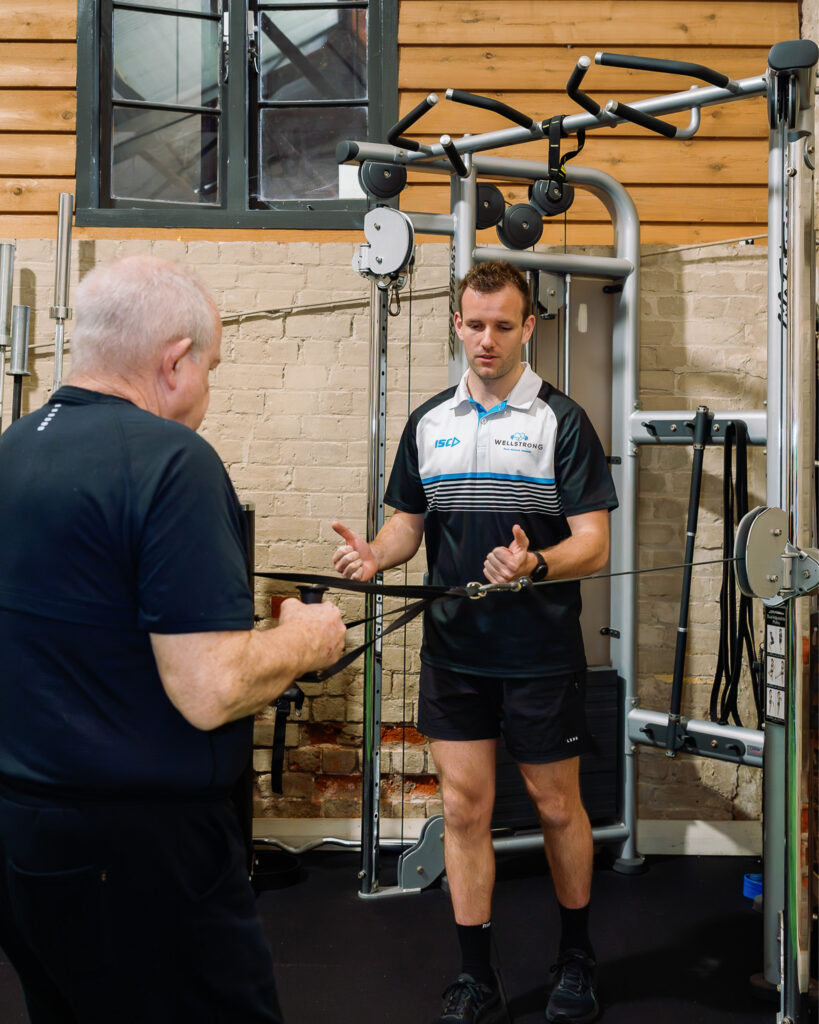
Our Accredited Exercise Physiologist, Scott, delivers tailored support to individuals across a wide range of injuries, activity levels, and recovery needs.
Muscle strains and tears
Joint injuries
Rehabilitation to improve stability, mobility, and joint control after acute or ongoing joint issues.
Back and spinal injuries
Rotator cuff strains
Structured recovery plan to rebuild strength and control, so you can lift, reach, and train comfortably again.
Work-related injuries
Sports injuries
Ongoing discomfort
Evidence-based support to address underlying strength and movement limitations when recovery has plateaued.
Loss of confidence
Meet your Exercise Physiologist Scott
Scott leads Exercise Physiology at Wellstrong. An Accredited Exercise Scientist (AES) and Accredited Exercise Physiologist (AEP) with a background in Exercise and Sports Science and High-Performance Strength and Conditioning, he combines clinical expertise with a practical, supportive approach to help clients achieve lasting results.
Scott has worked with a diverse range of clients, from semi-elite and youth athletes to retirees and recreational exercisers, and understands how to adapt exercise to every ability level. Scott’s expertise in human movement, anatomy, and physiology enables him to design programs that bridge the gap between rehabilitation and performance.
Whether you’re rebuilding strength, managing a condition, or simply ready to move better, Scott will guide you through a program that’s safe, personalised, and built around your goals.
Everyone’s body and recovery journey is different, but the right support and guidance can benefit everyone.
Supporting Post-Injury Rehabilitation for NDIS Participants
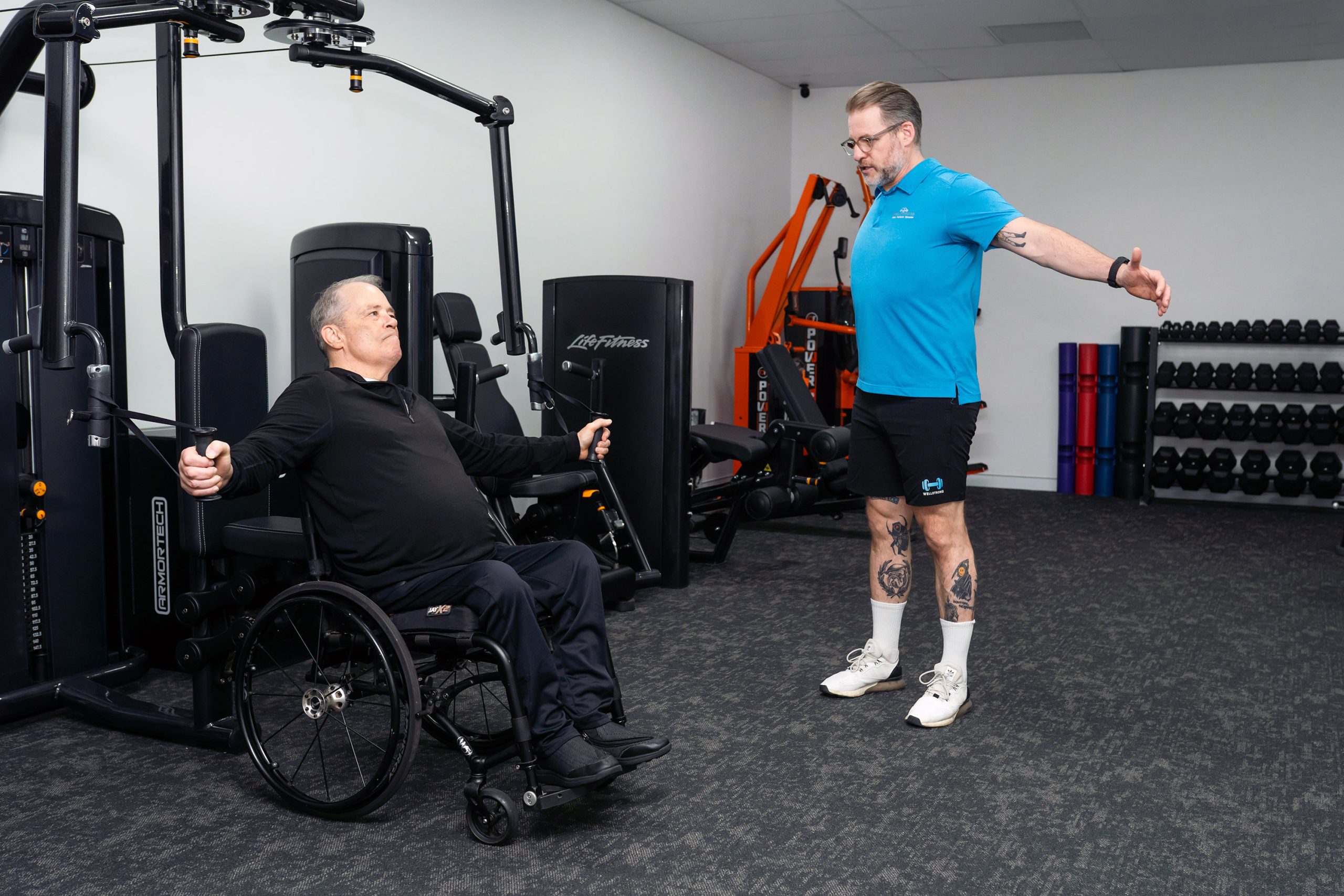
Wellstrong is a registered NDIS provider delivering personalised post-injury rehabilitation through Exercise Physiology. Our Accredited Exercise Physiologist works closely with other allied health professionals to ensure your rehabilitation program aligns with your health and recovery goals.
Exercise Physiology sessions are available to participants with self-managed and plan-managed NDIS plans.
Common questions about Post-Injury Rehabilitation
How Long Does Post-Injury Rehabilitation Take?
How long rehabilitation takes depends on several factors, including the type of injury, its severity, whether you’ve had previous rehab attempts, and how consistent you’re able to be with your program. Some people notice improvements within weeks, while others may require a longer, more gradual approach, particularly after surgery or with long-standing injuries. The aim is to progress safely and steadily in a way that supports long-term recovery.
Do I need a referral for post-injury rehabilitation?
No referral is required to start post-injury rehabilitation with an exercise physiologist. However, if you’ve seen a GP, specialist, or surgeon, we’re happy to work alongside them to ensure your program aligns with your medical care and recovery plan.
Can post-injury rehabilitation help if my injury is months or years old?
Many people seek rehabilitation after an injury hasn’t fully resolved or continues to cause discomfort months or even years later. Ongoing pain or limitation is often linked to strength, movement, or load tolerance issues rather than the original injury alone.
A tailored rehabilitation program can help address these underlying factors and improve how your body moves and functions.
Can post-injury rehabilitation help me return to work or sport?
Post-injury rehabilitation is designed to help you safely return to the demands of work, sport, or daily life. Programs are tailored to the specific movements, loads, and physical requirements relevant to what you’re returning to. The focus is on building the strength, resilience, and confidence needed to perform safely and reduce the risk of re-injury.
What is the difference between rest vs post-injury rehabilitation?
Rest can be helpful in the early stages of injury, but too much rest can lead to stiffness, weakness, and loss of confidence in movement. Rehabilitation focuses on appropriate movement at the right time, helping your body adapt, rebuild, and recover to restore physical condition.
What our clients say about Wellstrong
Enquire Now
Contact us to learn more about our Exercise Physiology service.