Pre-Post Surgery Rehabilitation
Evidence-Based Exercise Therapy to Prepare, Recover, and Restore Confidence in Movement.
Surgery at any stage in life is an important physical and emotional event. While you may not be able to change the need for an operation, you can influence how well your body prepares for it and how effectively you recover afterwards.
Pre and post-surgery rehabilitation helps you prepare your body for surgery and recover safely afterwards. Through structured, evidence-based exercise therapy, we focus on strength, mobility, and building confidence in movement to support better surgical outcomes and a smoother return to daily life.
Why Pre-Operative Rehabilitation is important
The pathway to a smoother recovery begins before surgery itself, through structured preparation that strengthens your body and builds confidence. Pre-operative rehabilitation strengthens your physical foundation before the temporary disruption that surgery can cause. Entering surgery with improved muscular strength, joint mobility, and cardiovascular capacity can positively influence early recovery and overall functional outcomes.
Maintaining muscle mass and joint range before surgery helps minimise post-operative decline and makes key rehabilitation exercises more familiar once recovery begins. In many cases, those who prepare in advance experience smoother recovery, fewer complications, and stronger long-term movement outcomes.
Equally important are the psychological benefits. Preparing ahead of surgery provides clarity, structure, and confidence. Instead of waiting for recovery to begin after surgery, you step into the process early, building the strength to carry you through what follows.
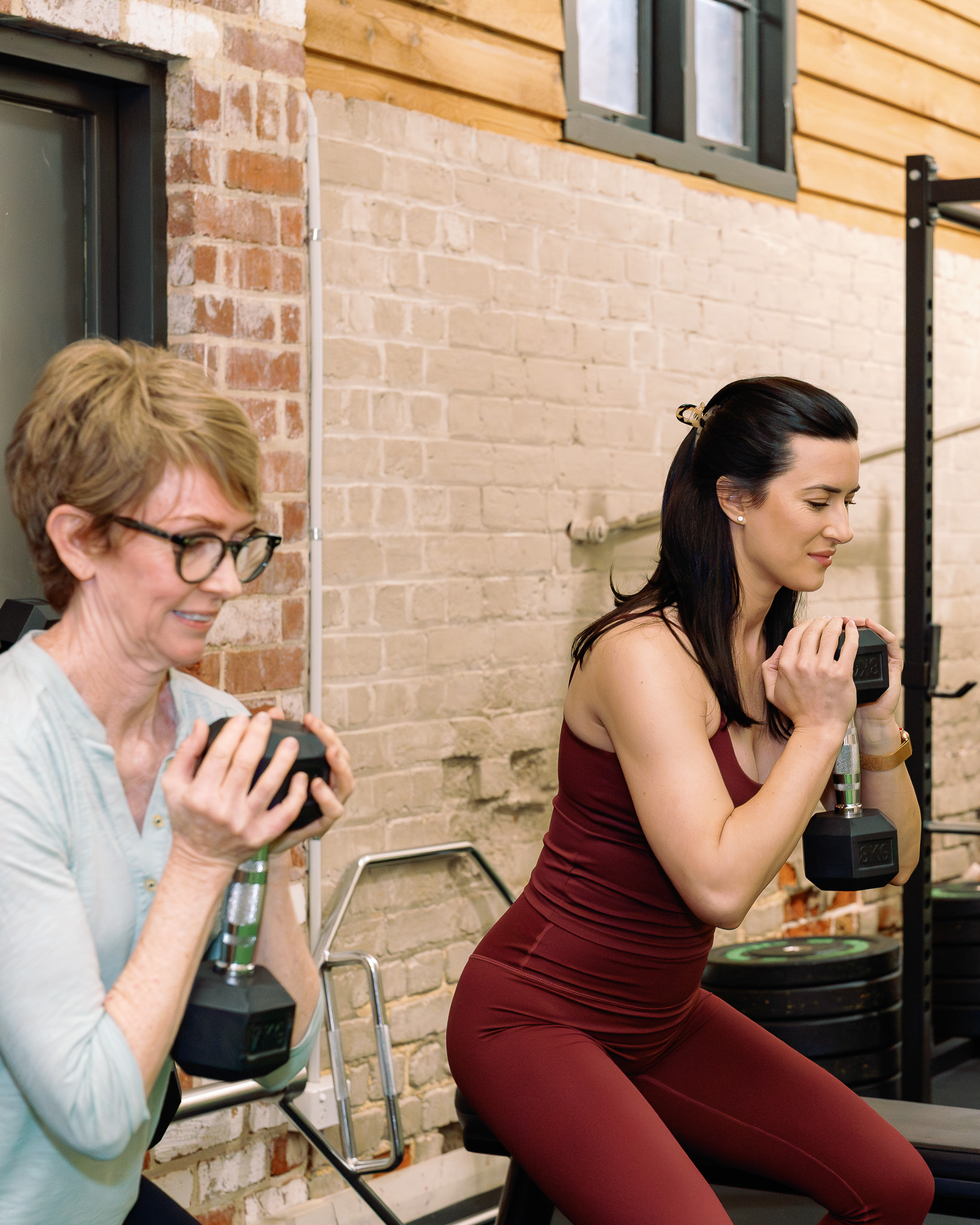
How Pre Surgery Rehabilitation can support you

Improve baseline strength
Exercise Physiology can enhance mobility, coordination and confidence for people living with neurological conditions.

Support cardiovascular conditioning

Enhance muscular control

Develop exercise familiarity

Maintain joint mobility

Build confidence before surgery
How Post Surgery Rehabilitation can support you

Restore strength progressively
Exercise Physiology can enhance mobility, coordination and confidence for people living with neurological conditions.
Re-establish movement quality
Reduce stiffness and tightness
Improve balance and stability
Support return to daily function
Minimise risk of setbacks
Structured load progression reduces the likelihood of overdoing activity too soon by gradually increasing intensity in line with your physical readiness.
Who can benefit from Exercise Physiology?
Pre and post-surgery rehabilitation supports anyone preparing for surgery or recovering afterwards with structured, evidence-based exercise. Whether you are building strength before surgery, navigating early recovery, or restoring full function, our programs are designed around your procedure, goals, and individual ability.
Our Accredited Exercise Physiologist Scott has experience supporting knee and hip replacement rehab pre and post-operation. He delivers supervised, progressive rehabilitation tailored to your procedure, healing timeline, and functional needs.
Individuals preparing for orthopaedic surgery
People recovering from recent surgery
Individuals in the early or mid-stages of recovery can benefit from progressive guidance to restore function safely.
Older adults undergoing planned procedures
Active adults aiming to return to sport
Athletes and recreational exercisers benefit from staged progression tailored to the performance demands of their activity.
Return to physically demanding work
Rehabilitation can be aligned with occupational demands by progressively rebuilding physical capacity.
Individuals with reduced confidence post-surgery
People with pre-existing weakness
Those seeking improved recovery outcomes
Those seeking a proactive, evidence-based approach rather than a passive recovery benefit most.
Meet your Exercise Physiologist Scott
Scott leads Exercise Physiology at Wellstrong. An Accredited Exercise Scientist (AES) and Accredited Exercise Physiologist (AEP) with a background in Exercise and Sports Science and High-Performance Strength and Conditioning, he combines clinical expertise with a practical, supportive approach to help clients achieve lasting results.
Scott has worked with a diverse range of clients, from semi-elite and youth athletes to retirees and recreational exercisers, and understands how to adapt exercise to every ability level. He also has experience supporting people with knee and hip replacements through structured pre and post-operative rehabilitation. Scott’s expertise in human movement, anatomy, and physiology enables him to design programs that bridge the gap between rehabilitation and performance.
Whether you’re rebuilding strength, managing a condition, or simply ready to move better, Scott will guide you through a program that’s safe, personalised, and built around your goals.
Every surgical journey is different, but preparation and rehabilitation play an important role for everyone.
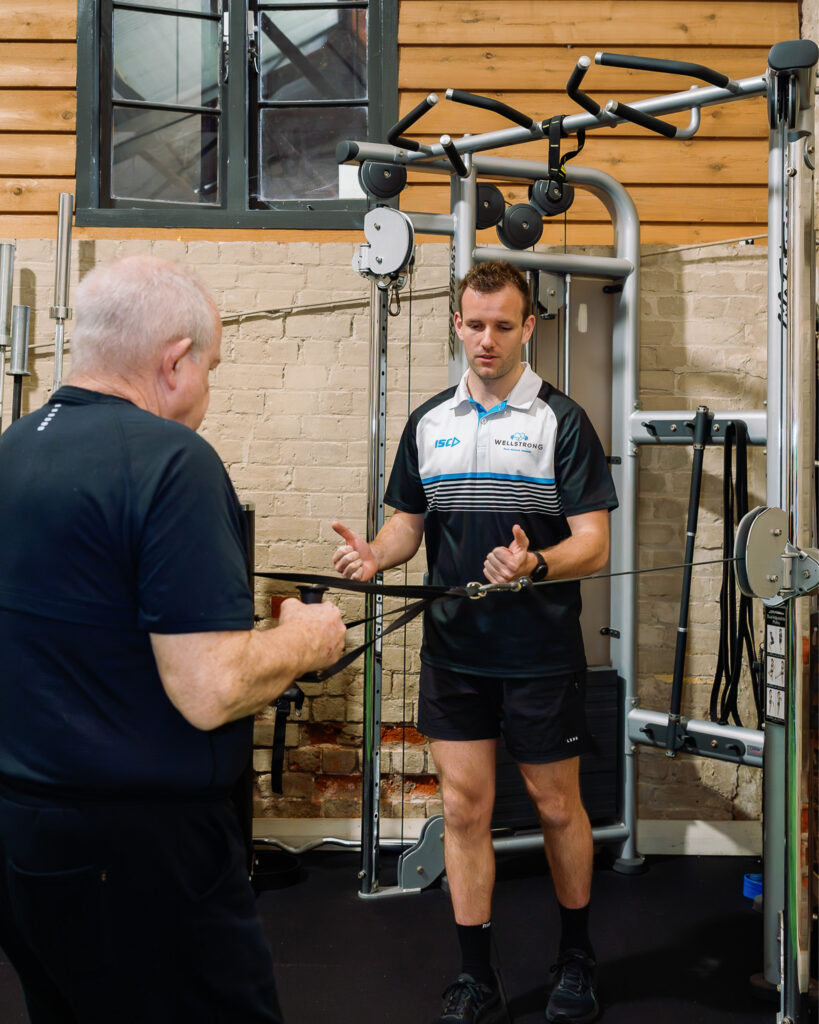
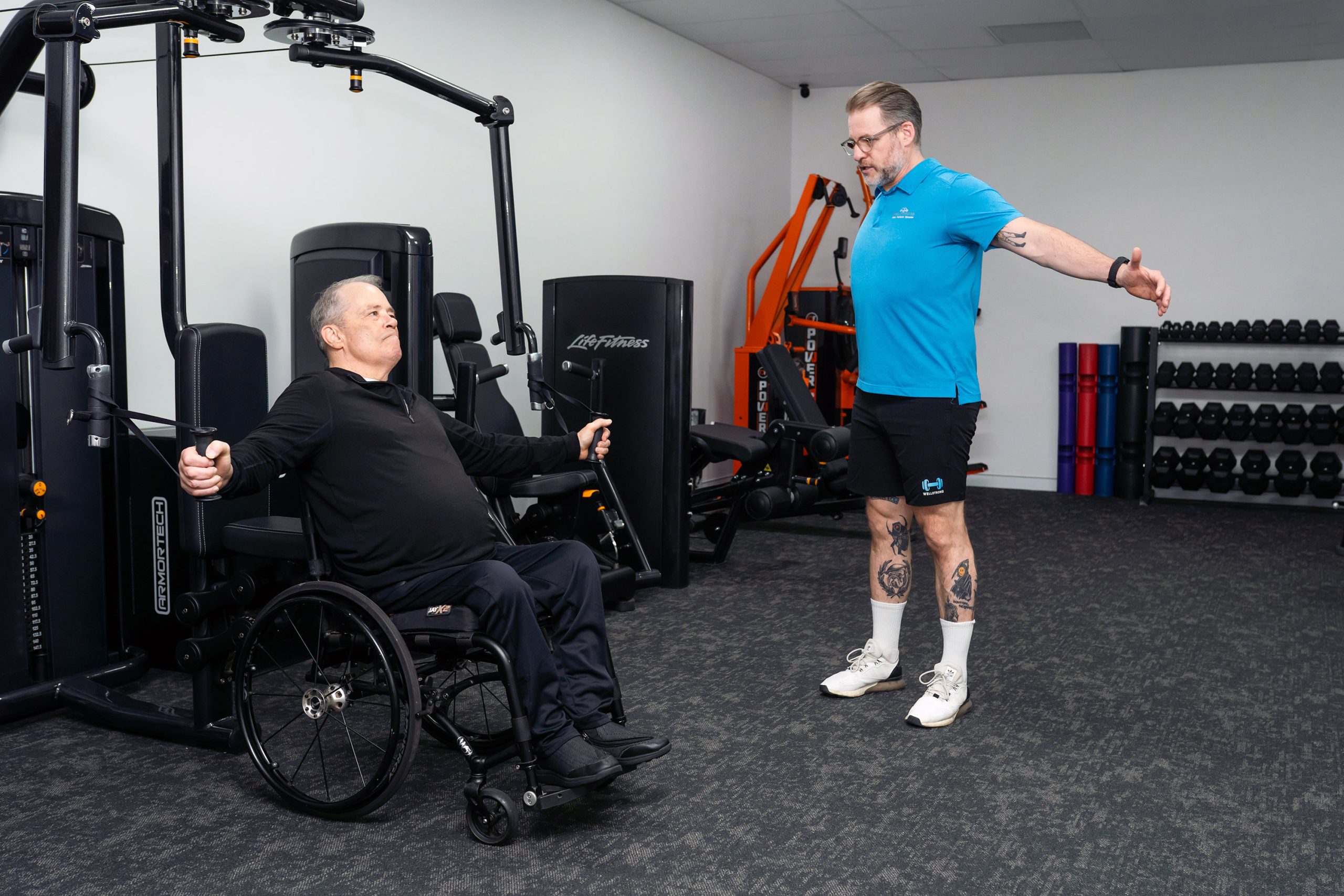
Pre and Post-Surgery Rehabilitation for NDIS Participants
As a registered NDIS provider, Wellstrong offers personalised Pre- and Post-Surgery Rehabilitation for eligible participants. Our Accredited Exercise Physiologist works closely with other allied health professionals to ensure your rehabilitation supports both your recovery and long-term functional outcomes.
Rehabilitation sessions are individually tailored, supervised, and progressively adjusted to support safe preparation before surgery and recovery afterwards.
Common questions about Pre-Post Surgery Rehabilitation
What is pre-surgery rehabilitation?
Pre-surgery rehabilitation, often called “pre-hab,” is a structured exercise program designed to improve strength, mobility, and overall conditioning before an operation. The goal is to prepare your body physically and mentally for surgery so you enter the procedure in the best possible condition for recovery.
What is post-surgery rehabilitation?
Post-surgery rehabilitation is a progressive, exercise-based program that supports safe recovery after an operation. It focuses on restoring strength, improving mobility, rebuilding stability, and gradually returning you to normal daily activities, work, or sport in line with your healing timeline.
Does exercising before surgery improve recovery outcomes?
In many cases exercising before surgery can improve recovery outcomes. Building strength, maintaining mobility, and improving cardiovascular fitness prior to surgery can help reduce post-operative decline, support early movement, and improve overall functional recovery, particularly for orthopaedic procedures.
How soon after surgery should rehabilitation begin?
Rehabilitation often begins shortly after surgery, depending on the procedure and your surgeon’s guidance. Early-stage rehabilitation may start with gentle activation and mobility exercises, progressing gradually as healing allows to ensure tissues are loaded safely and appropriately.
Can I do rehabilitation exercises at home, or do I need supervision?
Some rehabilitation exercises can be performed at home, but supervised sessions are important to ensure correct technique, safe progression, and appropriate load management. Professional guidance helps reduce the risk of overdoing activity too soon or performing movements incorrectly, which can delay recovery.
What happens if I skip rehabilitation after surgery?
Skipping rehabilitation can increase the risk of prolonged weakness, stiffness, reduced mobility, and delayed return to normal function. Without structured progression, individuals may also develop compensatory movement patterns that place strain on other joints or tissues, potentially increasing the risk of future issues.
What our clients say about Wellstrong
Enquire Now
Contact us to learn more about our Exercise Physiology service opening early 2026.