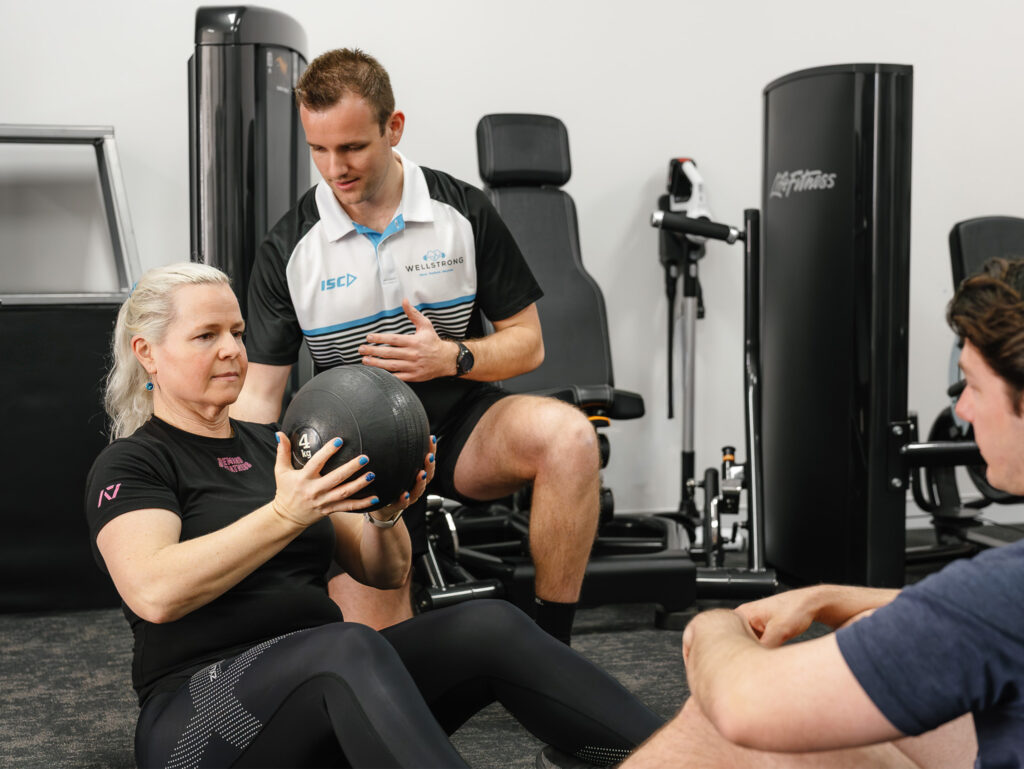
Exercise physiologists work with a broad range of people, not just those recovering from injury. They support people managing health conditions, recovering from setbacks, building strength, improving fitness, and working towards specific performance or lifestyle goals.
If You’ve Been Referred By Your GP
You should go and seek the guidance of an exercise physiologist if you’re somebody who has been told or referred to by the GP that they need to engage in exercise guided by a highly trained professional.
If you’ve Tried Training and Still Haven’t Hit Your Goals
If you are somebody who has had experience with a personal trainer or training on their own and they haven’t quite accomplished their health goals and they need some expert guidance.
If You Have a Diagnosed Condition (Or You’re at Risk)
If you’re somebody who has a diagnosed musculoskeletal condition or metabolic conditions including:
- Type two diabetes
- Obesity
- PCOS
- You have cardiovascular conditions such as high blood pressure, or have been told you are at risk of developing heart disease.
- If you’ve been told by a doctor that you have osteopenia, or osteoporosis, or if you’re at risk of any of these conditions.
If you fit those categories, then you should certainly seek out an exercise physiologist.
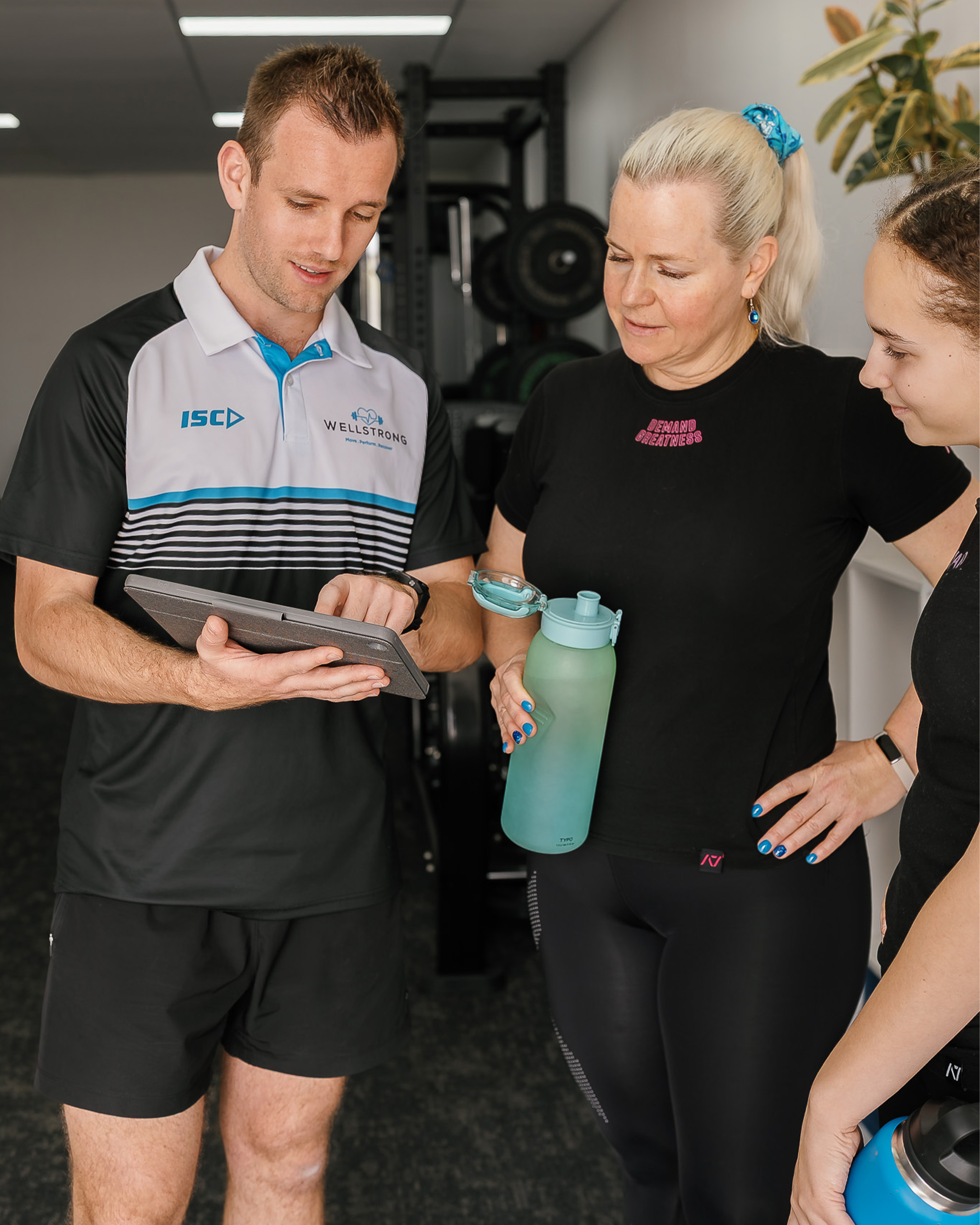
If You’re Using a GLP-1 Medication and Losing Weight
If you’re somebody who’s currently taking a GLP-1 style medication and are experiencing weight loss, it is absolutely important to consult an exercise physiologist. GLP-1 users will experience a dramatic loss in body weight, which coincides with a dramatic loss in lean muscular mass.
In this case, an exercise physiologist can help you develop a programme that helps you retain muscle mass as you lose excess body weight so that you can maintain your strength and capacity along your weight loss journey.
They are highly trained allied health professionals who have the skill sets and experience to work with people with a range of chronic health conditions and can provide really great advice on how to manage those conditions.
If You’re Preparing For Surgery or Recovering Post-Op
If you’re somebody who is pre-operative, meaning you have a planned surgery coming up and you need to do some pre-surgery pre-habilitation, an exercise physiologist can absolutely help with that.
If you’ve recently had surgery and are entering the recovering phase, an exercise physiologist can support you once the acute stage has passed and you’ve completed your initial rehabilitation with your physiotherapist.
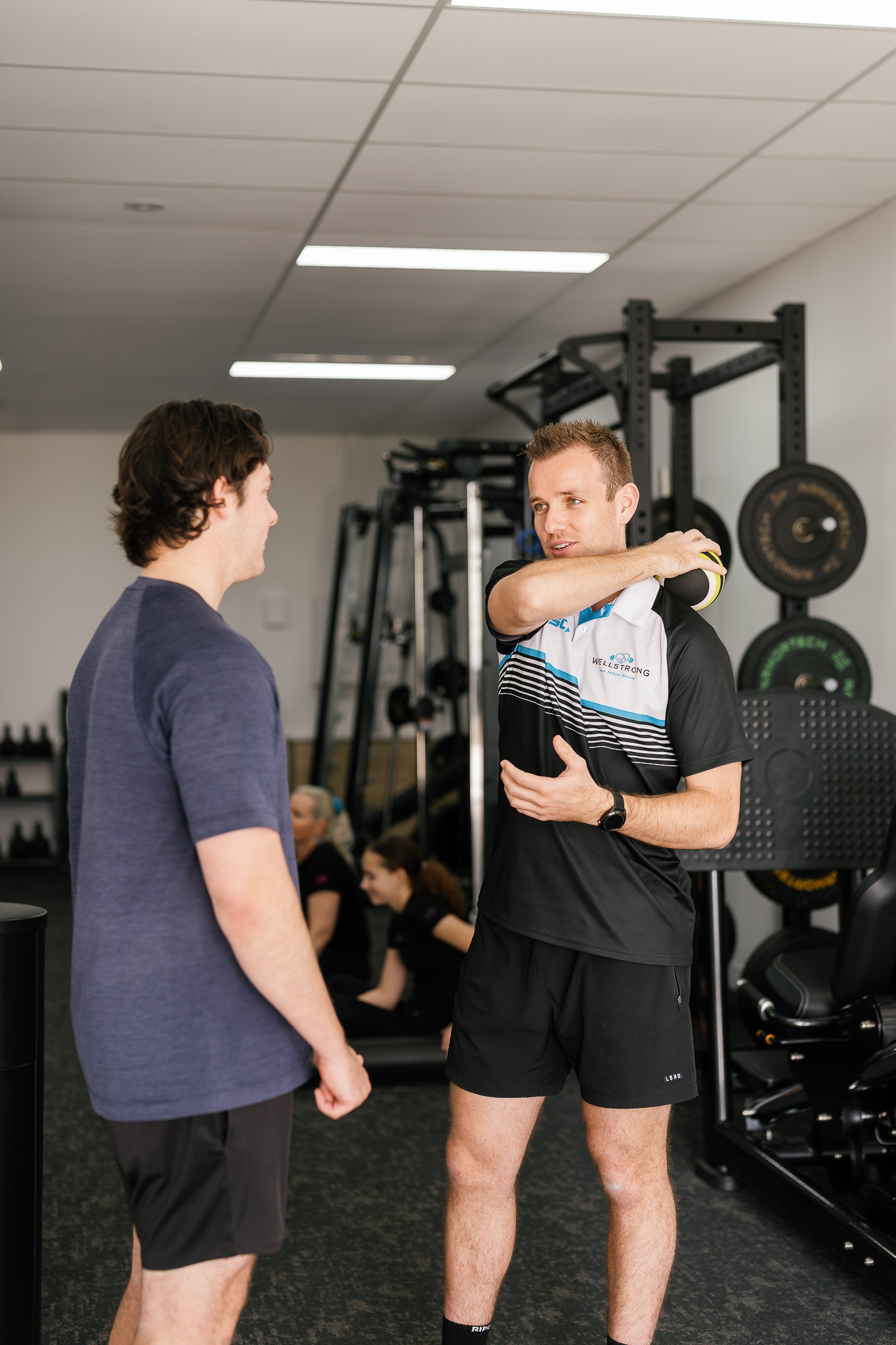
If You’re Ready To Progress Rehab After An Injury
If you have suffered a minor musculoskeletal injury and have sought treatment from a GP or a physiotherapist and you’re ready to progress your rehabilitation into the next phases, an exercise physiologist can help with that.
They can work alongside your physiotherapist to deliver and progress resistance training exercise programmes to return you back to your normal levels of function and capacity.
They can help you with the full return to capacity and return to your full level of performance.
If You’re New To Exercise Or Want To Improve Strength, Fitness, and Health
If you are somebody who does not have any diagnosed health conditions or are new to exercise but are just not happy with your current level of strength, fitness, and health, and you’re wanting some expert advice on how you can best manage that, booking with an exercise physiologist can assist with that.
They can do a comprehensive analysis of your current functional capacity, identify areas that need to be improved, and can help you develop a program to improve those health parameters to get you back to the level of health that you desire.
If You Want To Optimise Performance Or Return To Sport
AEPs are also qualified exercise sports scientists and have a high level understanding of athletic performance. So if you’re somebody who is keen to optimise their athletic potential, you can absolutely consult an AEP. They have in-depth knowledge on how to optimise musculoskeletal strength and power and can help you accomplish your sporting performance goals.
If you are an injured athlete and wanting to return back to your previous level of strength and performance, an AEP can help with that! They can develop a high quality return to sport program with objective, sport specific measures to ensure that you rehab the right way so that you can return to sport stronger than before.
Common Questions About Seeing an Exercise Physiologist
Should I see an exercise physiologist if I haven’t reached my goals with a personal trainer or on my own?
If you’ve tried training with a PT or on your own and still haven’t achieved your health goals, an exercise physiologist can provide expert guidance and a structured program.
Can an exercise physiologist help with metabolic conditions like type 2 diabetes, obesity, or PCOS?
Why is it important to see an exercise physiologist if I’m taking a GLP-1 medication?
Can an exercise physiologist help before surgery (prehab)?
Can you help with weight management and metabolic health (diabetes, PCOS, fatty liver)?
Absolutely! Exercise is one of the most effective treatment strategies in the management of insulin sensitivity related conditions. Exercise can improve your bodies response to insulin, allowing it to absorb more glucose from your blood stream and control high blood sugar levels.