Women's Strength Training in Guildford
Strength training for women in perimenopause, menopause or on GLP-1 medication.
We offer one-on-one, semi-private personal training and small group personal training alongside exercise physiology, all from our private gyms in Guildford and South Guildford.
Built for perimenopause, menopause and women on GLP-1 medication.
If your body feels different than it used to, your energy has dropped, your strength has changed, or your weight isn’t responding the way it once did, you’re not imagining it. And you’re not alone.
Perimenopause and menopause bring real physiological changes. Shifts in hormones, muscle mass, bone density and metabolism affect how your body responds to exercise in ways that generic programs simply don’t account for. GLP-1 medications add another layer, with significant muscle loss risk that most treatment plans don’t address directly.
The right strength training program, guided by someone who understands what’s actually happening in your body, makes a meaningful difference to how you feel, move and age.
Our experienced trainers and Accredited Exercise Physiologist, Scott, design evidence-based strength training programs specifically for women navigating these changes.
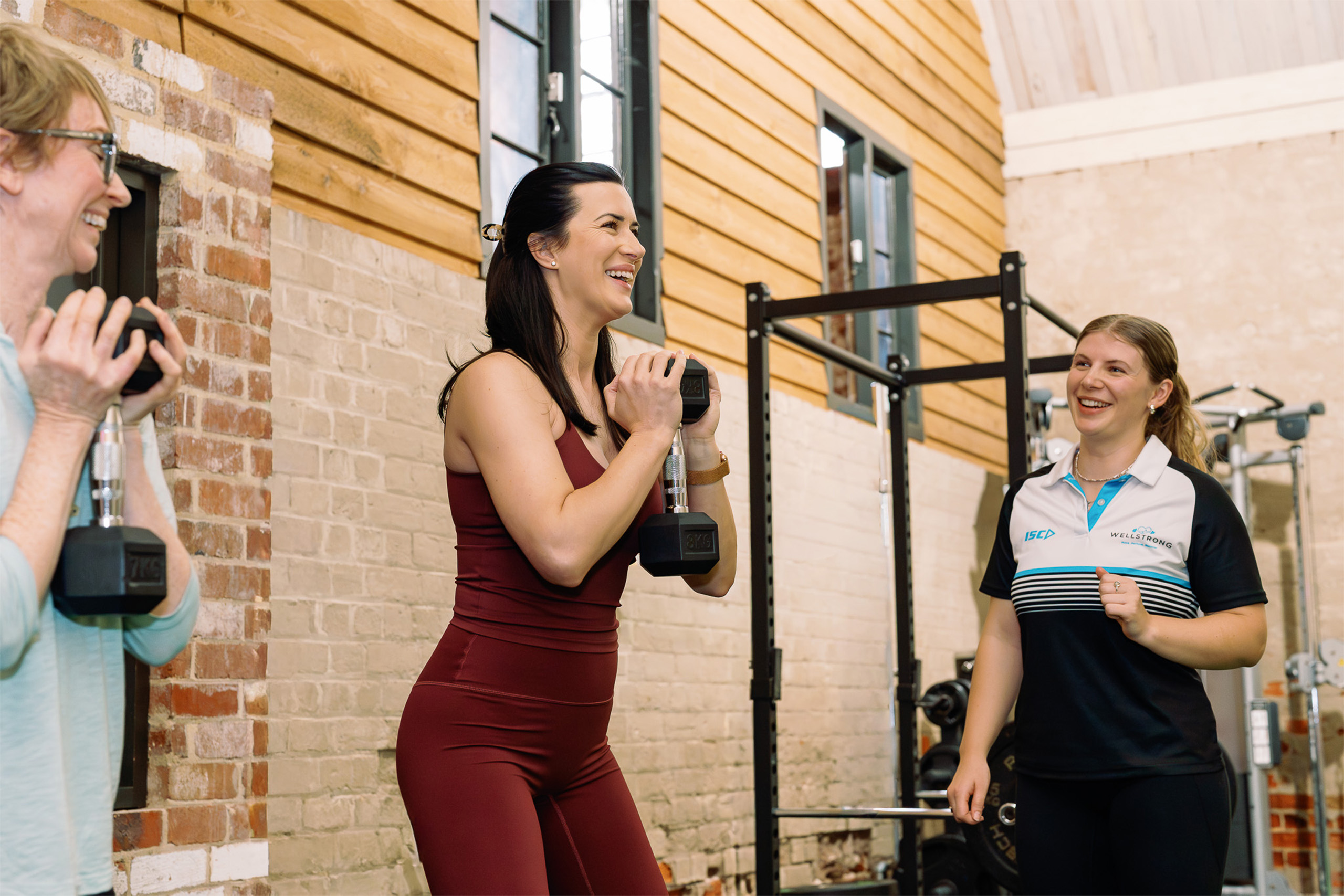
Why strength training should be part of healthy ageing for women.
As oestrogen declines, women become more vulnerable to muscle loss, changes in body composition, reduced bone density and shifts in metabolism. These aren’t cosmetic concerns. They have long-term implications for mobility, independence and health.
Strength training is one of the most effective evidence-based responses to these changes. It supports lean muscle, bone health, metabolic function and balance in ways that other forms of exercise don’t match.

Muscle strength and tone
As hormone levels shift, strength training becomes increasingly important for maintaining lean muscle, strength, and tone.

Metabolic health
Building and preserving muscle can support metabolism, energy use, and healthier body composition during this stage of life.

Bone density
Regular strength and weight-bearing exercise can help support bone health and reduce the risk of bone loss over time.

Balance and stability
Improving strength and control can enhance balance, reduce the risk of falls, and help you feel more confident in how your body moves.

Mobility and joint support
Tailored exercise can help support joint function, improve movement quality, and make everyday activities feel more comfortable.

Healthy ageing
Maintaining strength now can support healthy ageing by helping you maintain mobility, confidence, and independence in everyday life.
Strength training and GLP-1 medications.
GLP-1 receptor agonists such as Ozempic, Wegovy and Mounjaro are increasingly used by women to support weight management. They can be effective, but they carry a risk that isn’t always discussed – significant muscle loss.
When the body loses weight rapidly, a substantial portion can come from muscle rather than fat, particularly without structured resistance training alongside the medication.
For women already navigating the muscle loss that comes with perimenopause and menopause, this compounds an existing problem with real long-term consequences.
Strength training is one of the best ways to protect your muscle while you’re losing weight on GLP‑1 medications. Adding resistance exercises helps boost your metabolism, maintain strong bones, and improve how your body functions overall during weight loss. It’s a simple way to make sure you retain lean mass, and the weight you lose is mostly fat, not muscle.
Our trainers work specifically with women on GLP-1 medications to build programs that complement their treatment and protect their long-term health.
If you’re currently taking or considering a GLP-1 medication, we’re happy to have an honest conversation about what your exercise program should look like alongside it.
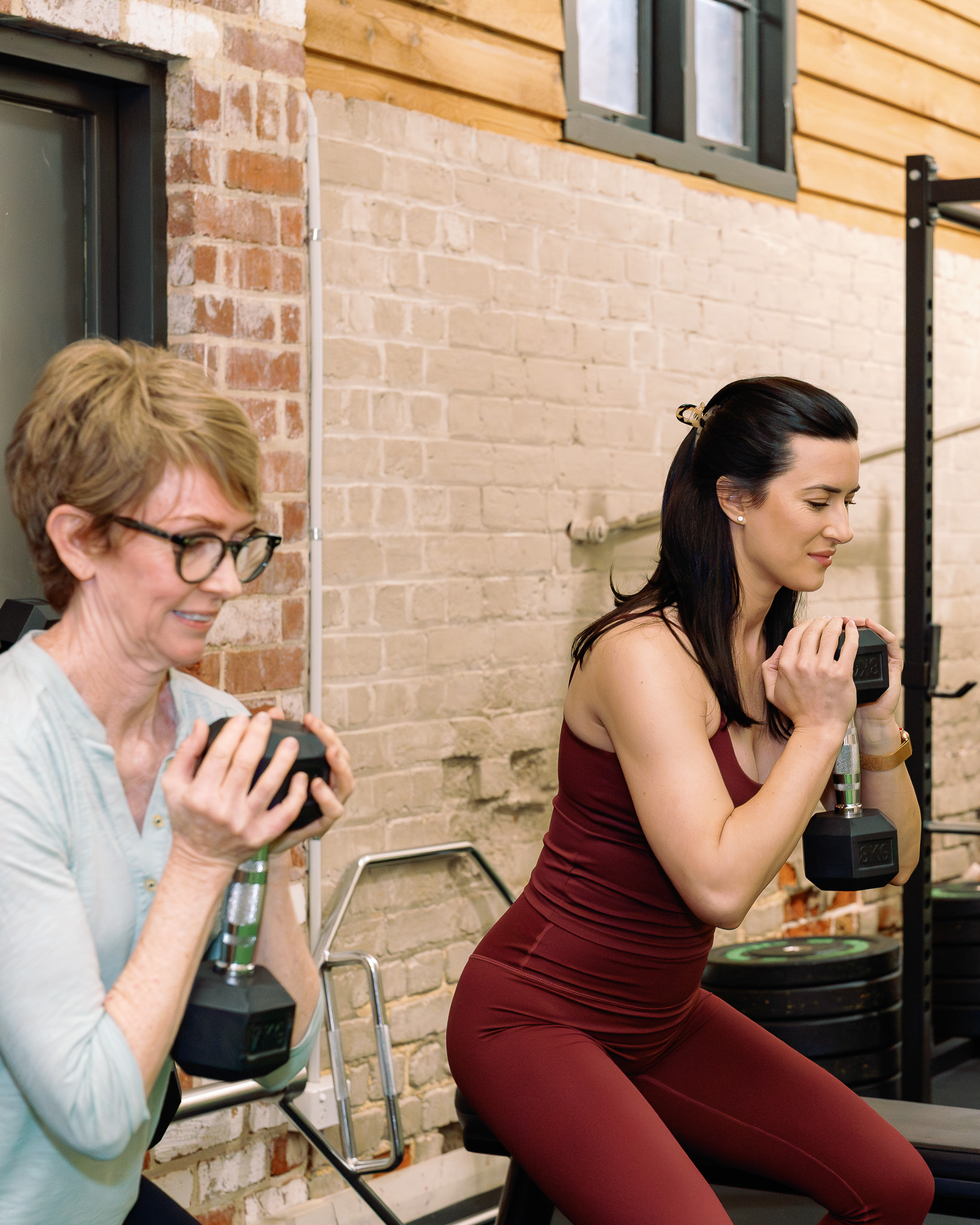
We can help if you are experiencing any of these.
If any of these feel familiar, you’re in the right place.
Weight gain and body composition changes
Perimenopause and menopause can make it easier to gain body fat and harder to maintain lean muscle.
Loss of strength or muscle tone
Many women notice they do not feel as strong as they used to, with everyday tasks starting to feel more physically demanding.
Low energy or reduced fitness
As hormone levels shift, disrupted sleep and slower recovery can leave you feeling more tired and less able to maintain your usual fitness.
Aches, stiffness, or joint discomfort
Hormonal changes can contribute to more stiffness and discomfort, which may make movement and exercise feel less comfortable.
Reduced confidence with exercise
As hormones shift, many women notice increased stiffness and joint discomfort, which can make exercise and everyday movement feel harder.
Concerns about bone density or osteoporosis
As oestrogen declines, women become more vulnerable to bone loss, increasing the risk of osteopenia and osteoporosis over time.
Changes in balance and stability
Loss of muscle and bone strength can affect balance and stability, increasing the importance of exercise that helps you feel steadier and more confident in movement.
Slower recovery after exercise
You might notice weight gain that seems harder to lose, a drop in strength and energy, changes in body composition, or concerns about bone density and long-term health.
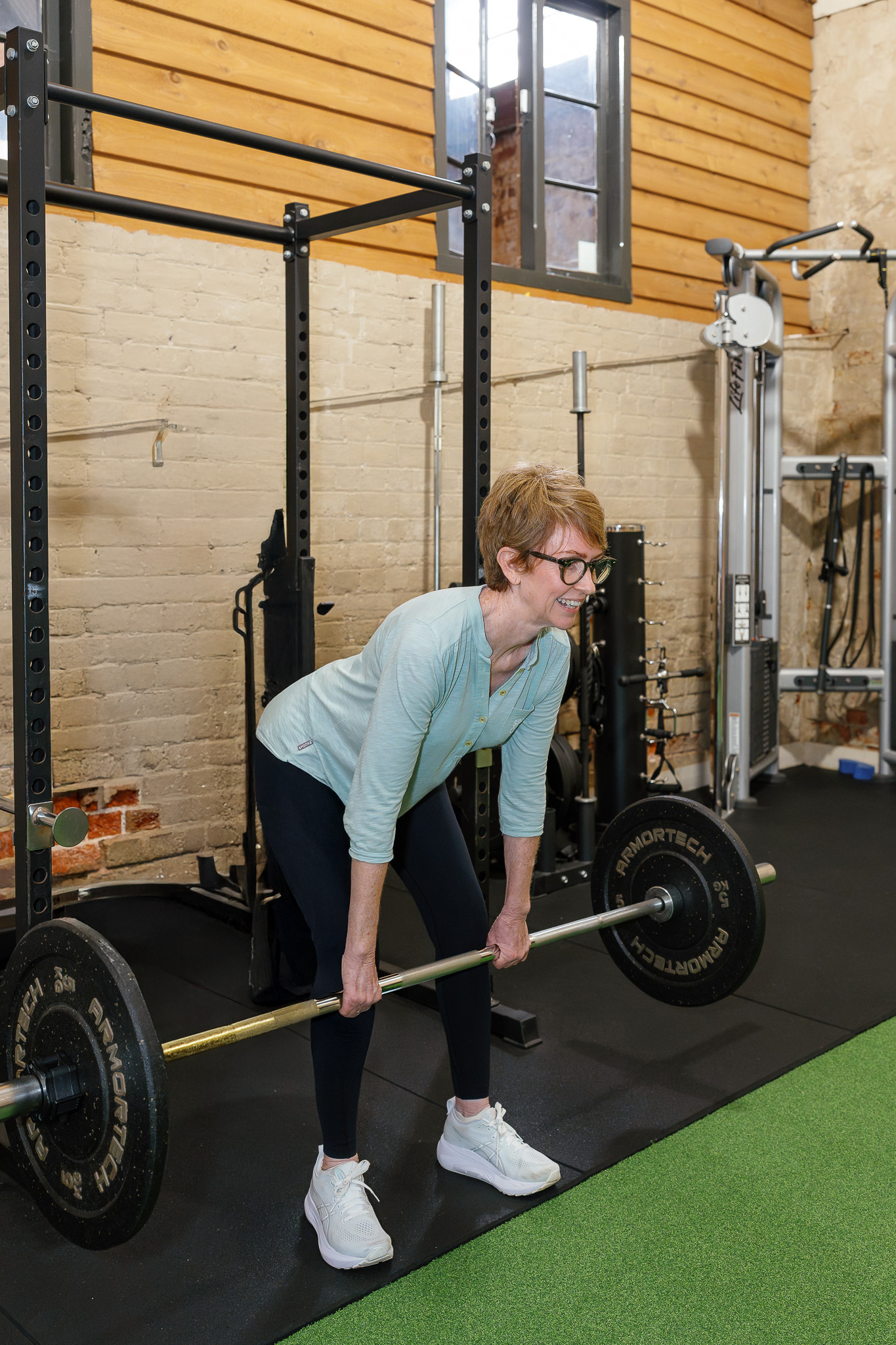
Women’s Exercise Physiology at Wellstrong
At Wellstrong, we support women with personalised, evidence-based exercise that focuses on building strength, improving health, and helping you feel better in your body.
Scott, our Accredited Exercise Physiologist, takes the time to understand where you’re starting from, what’s changed in your body, and what you want to feel like on the other side.
From there he builds a personalised, evidence-based program that meets you at the right starting point and progresses at a pace that works for your body and your life.
Exercise physiology sessions are one-on-one in a supportive, low-pressure environment in Guildford.
What our clients say about Wellstrong
Common Questions About Women’s Strength Training
Does Wellstrong offer women’s health exercise physiology (pregnancy, postnatal, pelvic health, menopause)?
We offer many services to support women’s health conditions including osteoporosis, perimenopause, menopause, pre and post pregnancy exercise. Resistance training plays an incredibly important role for Women in maintaining their health and wellbeing, and we are we are deeply committed to making these benefits accessible, empowering, and sustainable for every woman we support.
Why is strength training important during perimenopause and menopause?
Strength training is especially important during perimenopause and menopause because hormonal changes can affect muscle mass, bone density, metabolism, and body composition. It helps women maintain strength, support healthy ageing, improve everyday function, and protect their long-term health during this stage of life.
How does menopause affect muscle mass and strength?
As oestrogen levels decline, women can begin to lose lean muscle more easily, which can lead to reduced strength and muscle tone over time. This is one reason many women notice they do not feel as strong as they used to, and why strength training becomes more important during and after menopause.
Can strength training help support bone density during menopause?
Yes, strength training and weight-bearing exercise can play an important role in supporting bone density during menopause. With the right program and guidance, exercise can help strengthen the body, support bone health, and reduce the risk of further bone loss over time.
Is strength training safe if I have osteopenia or osteoporosis?
Strength training can be safe and beneficial for women with osteopenia or osteoporosis when it is tailored to their needs and guided appropriately. It is important to follow an exercise plan designed around your bone health, fitness level, and any other risk factors to make sure you are training safely and effectively.
Can strength training help improve balance and stability as I age?
Yes, strength training can help improve balance and stability by building muscle, supporting joint function, and improving control through movement. This becomes increasingly important with age, as better balance and stability can help reduce the risk of falls and support confidence in everyday life.
How does exercise physiology support women during perimenopause and menopause?
Exercise physiology provides women with a more tailored, evidence-based approach to exercise during perimenopause and menopause. Rather than following a generic program, your exercise is designed around your body, health needs, symptoms, goals, and current capacity, helping you build strength safely and with confidence.
What our clients say about Wellstrong
Enquire Now
Contact us to learn more about how we can help your health and fitness journey.