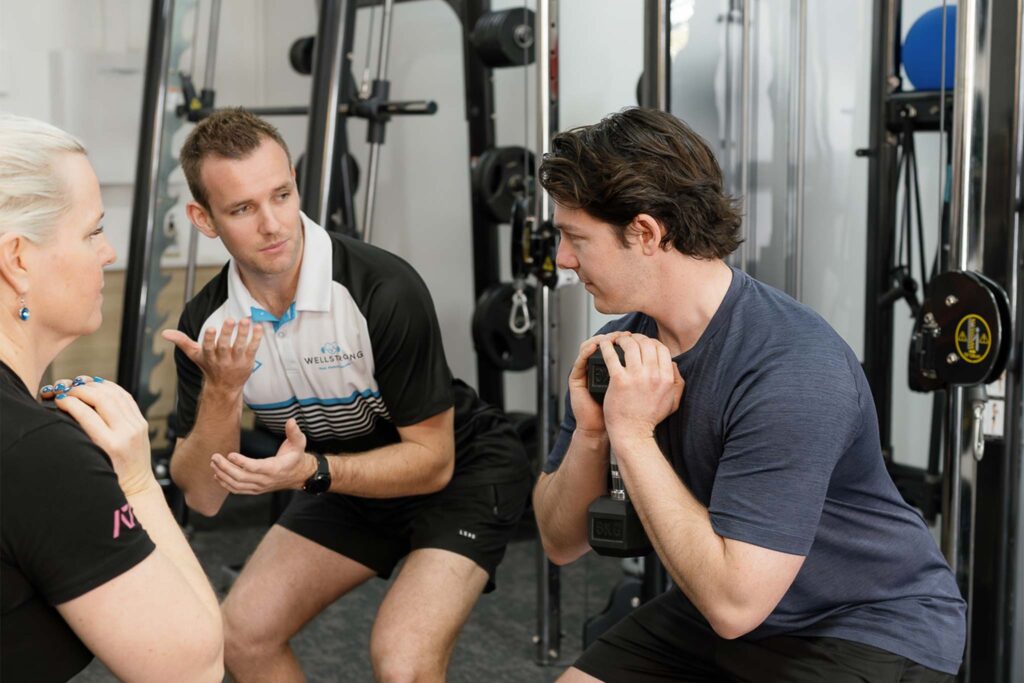
Every body is different, but movement is for everybody. Finding the right kind of exercise for your body and health goals can feel overwhelming, especially if you’re recovering from an injury or managing a chronic health condition. Knowing where to start, or who to turn to for guidance, can make all the difference.
Both Personal Trainers and Exercise Physiologists help people feel stronger and more confident in their bodies, but their training, approach, and expertise are quite different. Understanding those differences can help you choose the right professional to support you in your health journey.
What Does an Exercise Physiologist Do?
An Accredited Exercise Physiologist (AEP) is an allied health professional with a university degree specialising in how exercise affects the body in health and disease.
They assess, design, and deliver safe, individualised exercise programs for people managing chronic health conditions, injuries, or movement limitations. This can include diabetes, arthritis, cardiovascular disease, osteoporosis, chronic pain, post-surgery recovery, and more.
Unlike general fitness professionals, Exercise Physiologists are trained to understand the body’s systems, pathology, and clinical exercise prescription. Their goal isn’t just fitness, it’s long-term health, function, and quality of life.
In Western Australia, Exercise Physiologists are recognised under Medicare, most private health funds, DVA, and the NDIS, meaning eligible clients may receive rebates or funded sessions.
Learn more about our Exercise Physiology services in Guildford.
What Does a Personal Trainer Do?
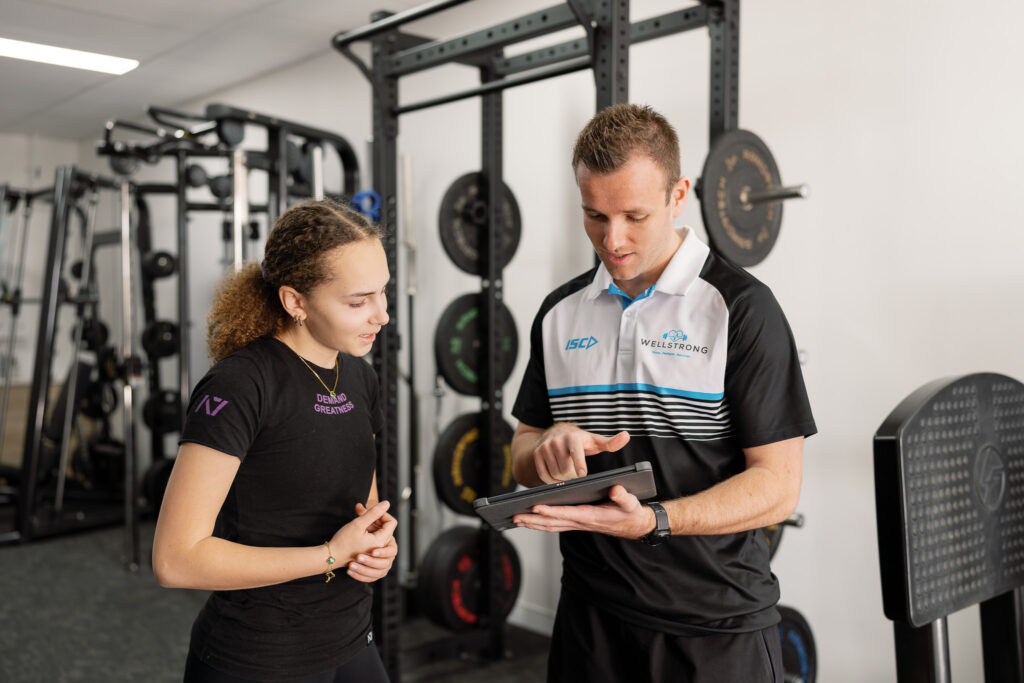
Personal Trainers play an important role in helping people get fitter, stronger, and more confident with exercise. They typically complete a Certificate III and IV in Fitness and work in gyms or studios to deliver safe and motivating workouts for healthy populations.
A Personal Trainer can help you improve cardiovascular fitness, strength, and body composition. They’re great for goal setting, accountability, and motivation, especially if you’re already healthy and looking to improve your fitness, strength, or overall wellbeing.
However, Personal Trainers aren’t qualified to manage injuries, chronic health conditions, or complex movement issues. That’s where the scope of an Exercise Physiologist begins.
Exercise Physiologists vs Personal Trainers
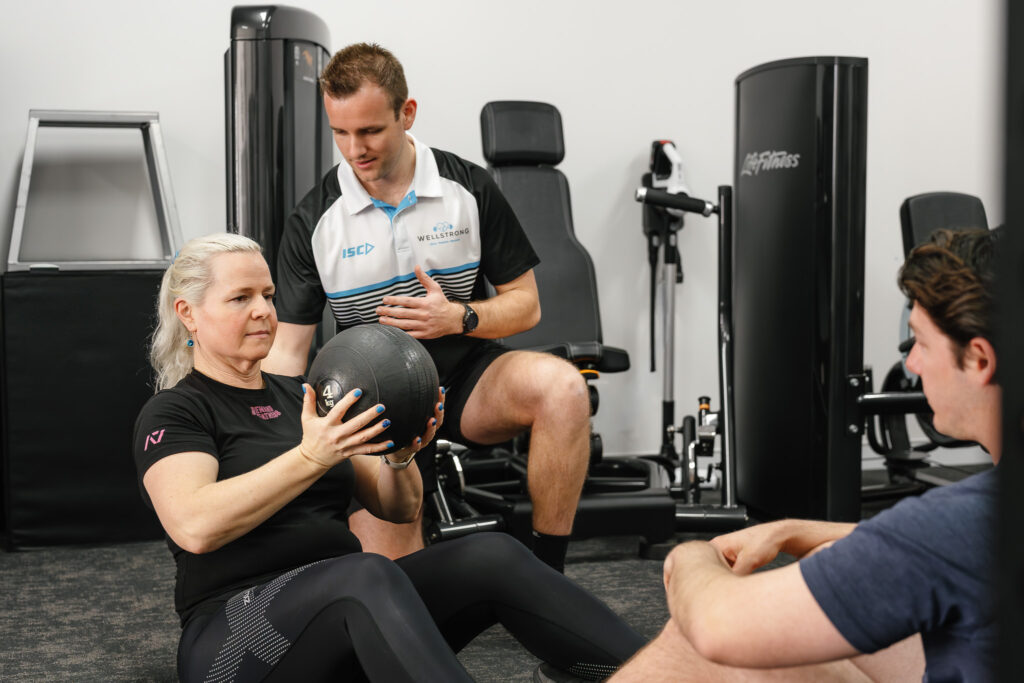
While both Exercise Physiologists and Personal Trainers use movement to improve health, their qualifications and scope of practice are quite different.
Exercise Physiologist (EP) | Personal Trainer (PT) |
|---|---|
Holds a 4-year university degree in Exercise Science and Clinical Exercise Physiology. | Completes Certificate III and IV in Fitness. |
Generally works in clinical environments such as allied health clinics, hospitals, and workplaces. | Works in gyms, studios, or outdoor fitness settings. |
Focuses on injury rehabilitation, chronic condition management, and preventative health. | Focuses on fitness, strength, motivation, and general health improvements. |
Uses evidence-based, individually prescribed exercise as a therapeutic tool. | Delivers structured fitness programs to improve performance and consistency. |
Supports clients with medical referrals and collaborates with healthcare professionals. | Works with clients wanting to improve overall fitness, physique, confidence, or performance. |
Sessions may be eligible for Medicare, private health, DVA, WorkCover, or NDIS funding. | Sessions are typically private-pay and not eligible for medical funding. |
Manages and prevents health conditions and movement limitations. | Helps clients stay active, accountable, and build strength toward personal fitness goals. |
Goal is to restore function, reduce symptoms, and improve long-term wellbeing. | Goal is to improve fitness, confidence, and physical performance. |
Together, both play an important role in helping people move better and live healthier lives, just from different starting points and with different levels of clinical expertise.
At Wellstrong our team we bring the expertise of both Exercise Physiologists and Personal Trainers to offer clients a wholistic approach to fitness and wellbeing.
When You Might Need an Exercise Physiologist
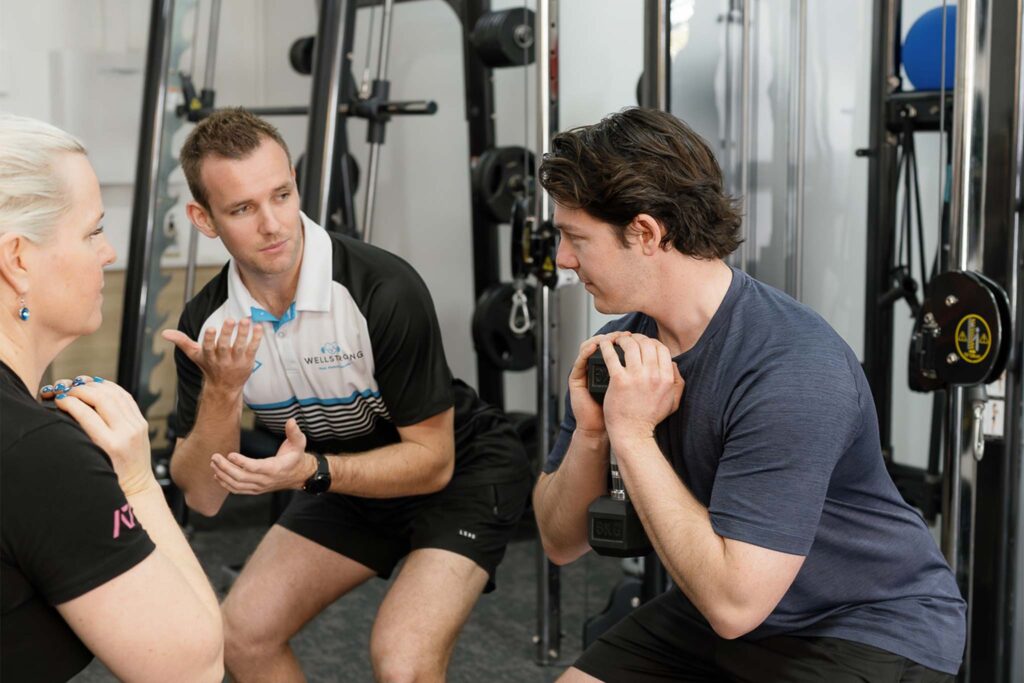
If you’ve been told to “start exercising” but you’re not sure where to begin, or what’s safe for your condition, that’s the perfect time to see an Exercise Physiologist.
You may benefit from Exercise Physiology if:
- You’re recovering from an injury or surgery.
- You’re living with a chronic condition such as diabetes, arthritis, or heart disease.
- You experience ongoing pain, fatigue, or reduced mobility.
- Exercise at the gym often leaves you sore, anxious, or uncertain if you’re doing it right.
- You want to return to movement safely after pregnancy, illness, surgery, or time off.
- You want to stay strong and independent as you age, improving balance and confidence in everyday activities.
Exercise Physiologists take a clinical and personalised approach, considering your medical background and physical mobility. They help you build confidence in your body again, one movement at a time.
They also collaborate closely with other health professionals, including GPs, physiotherapists, and specialists, to ensure your care is consistent and effective.
How Exercise Physiology Complements Personal Training
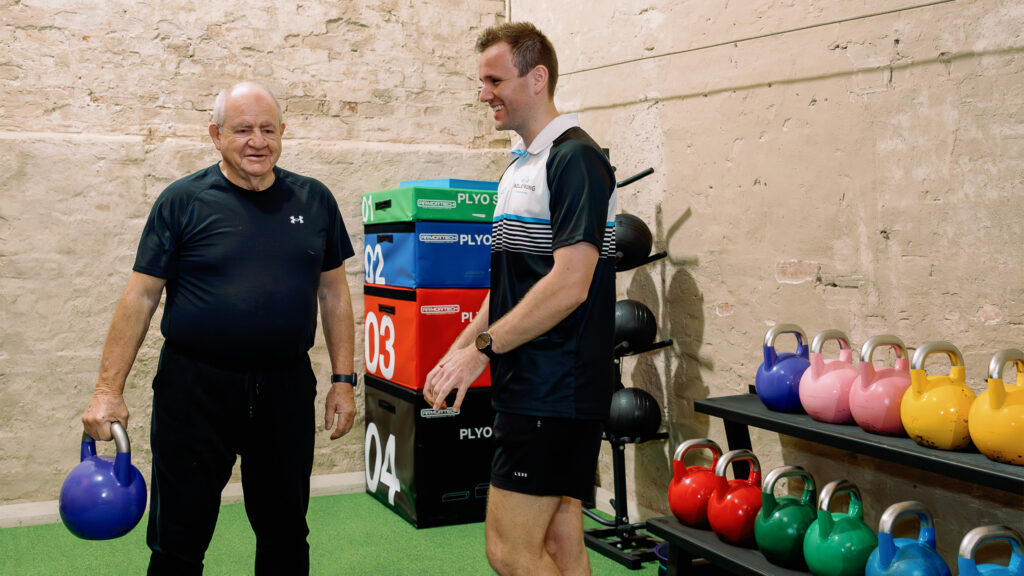
Exercise Physiology and Personal Training complement each other, it’s not about choosing one over the other, but understanding how they work together. Many people see both at different stages of their health journey.
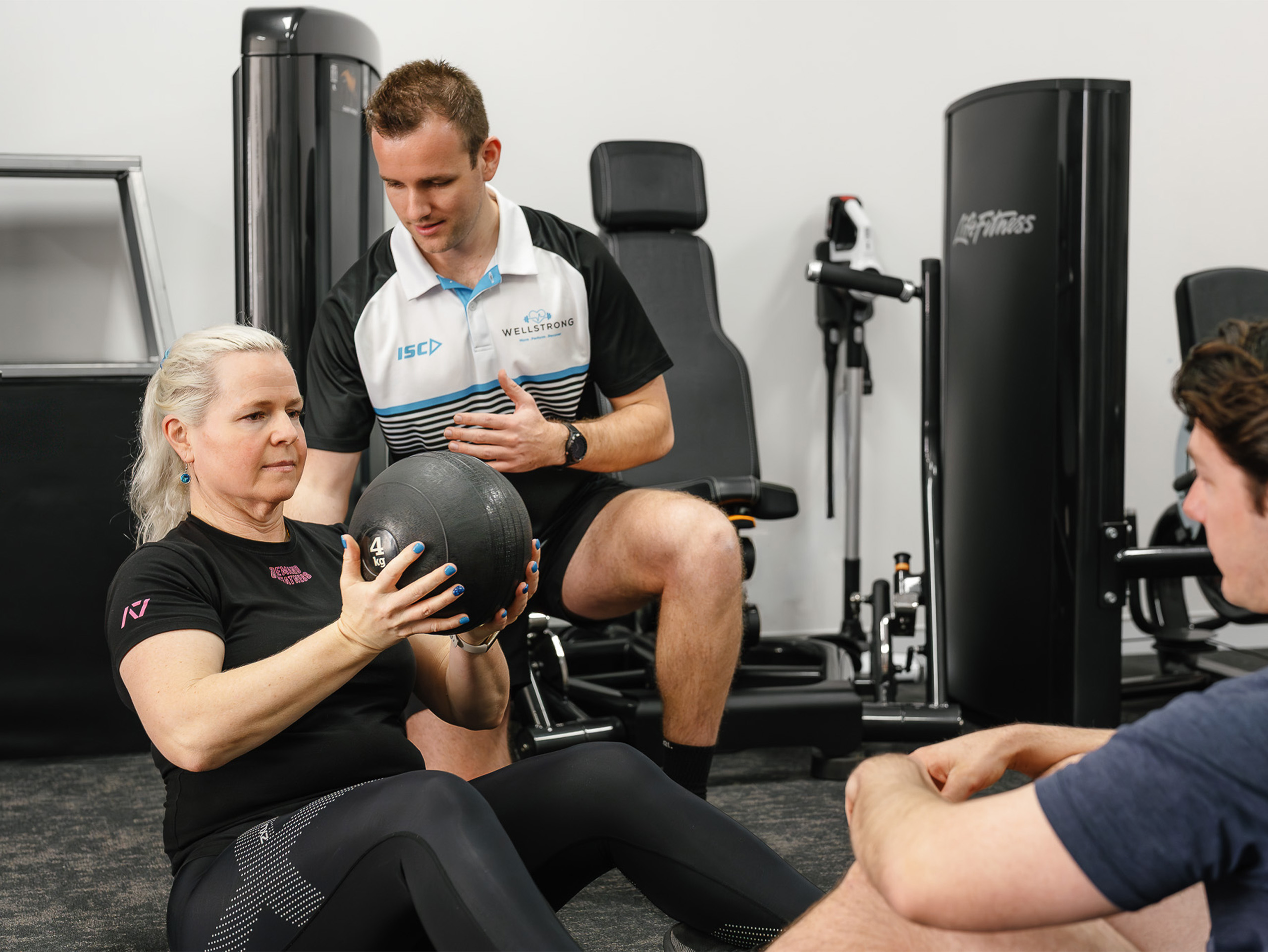
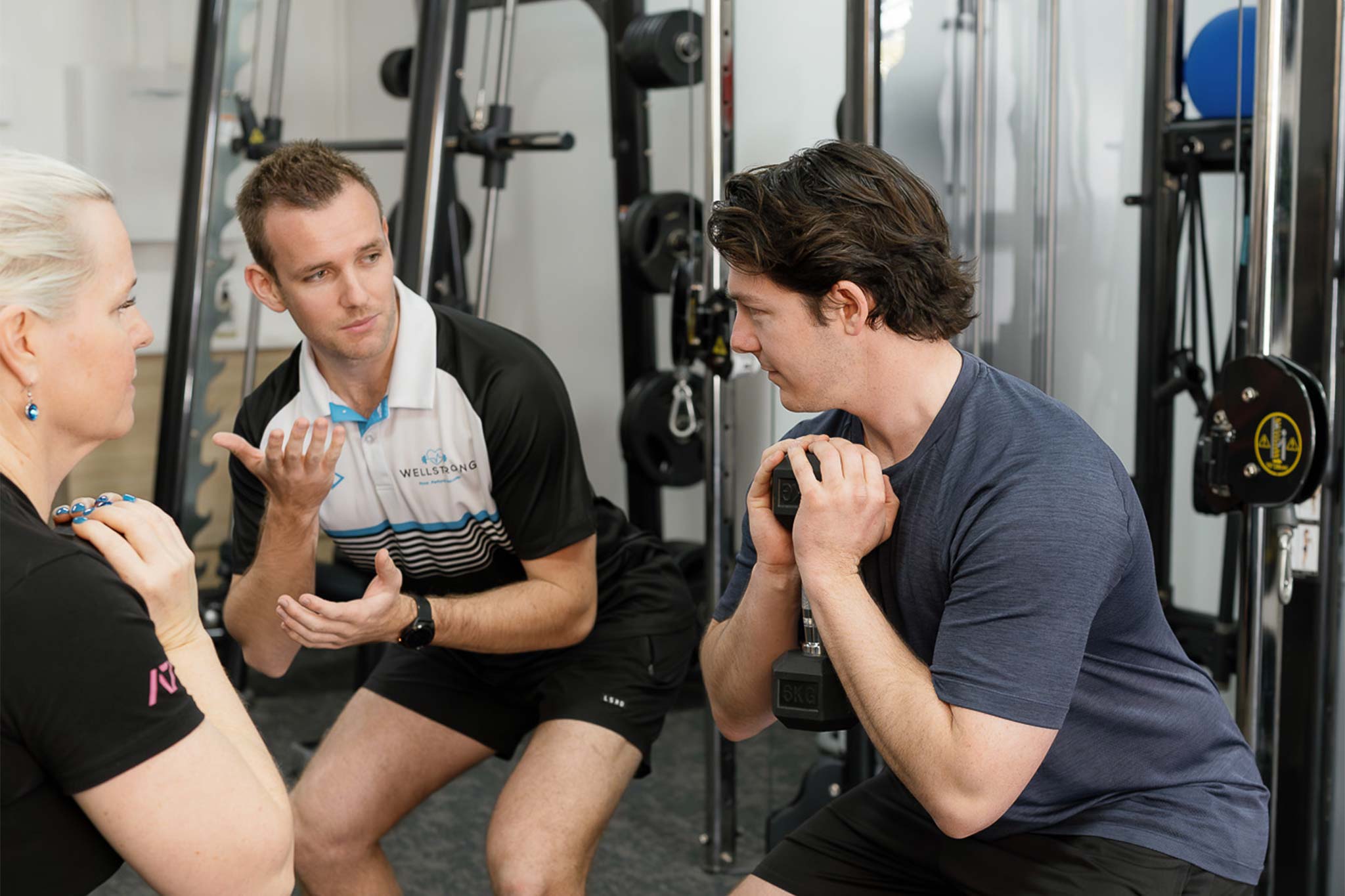
An Exercise Physiologist helps you build a strong foundation to move safely and confidently in your body, improving mobility, stability, and overall function. They create one-on-one programs tailored to your injury or chronic health condition, ensuring you receive the right guidance and care for your needs. As you get stronger, your Exercise Physiologist can continue to support your progress, helping you work toward new fitness or performance goals safely and effectively.
At Wellstrong, Scott, our Exercise Physiologist, blends the science of Exercise Physiology with the practical approach of Personal Training to help clients move better at every stage of their journey. With expertise in human movement, rehabilitation, and performance, he bridges the gap between recovery and strength, designing programs that are safe, personalised, and built for lasting results.
How to Get Started with an Exercise Physiologist at Wellstrong
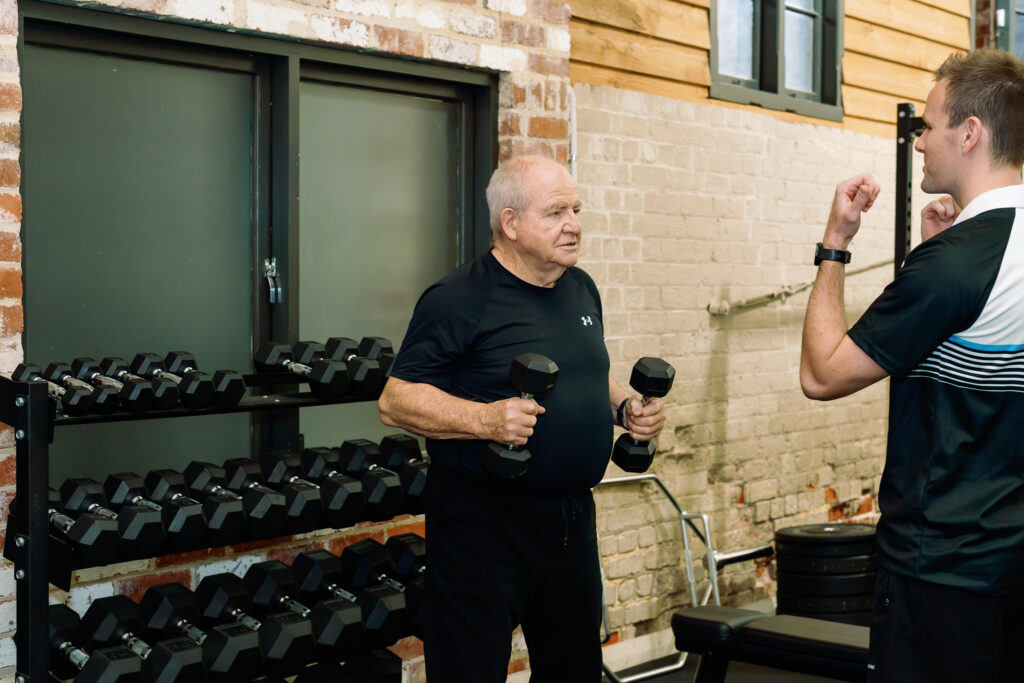
Even if you’re not sure where to start, taking the first step and asking for guidance is all it takes to begin. You don’t need a referral to see an Exercise Physiologist for personalised training and support.
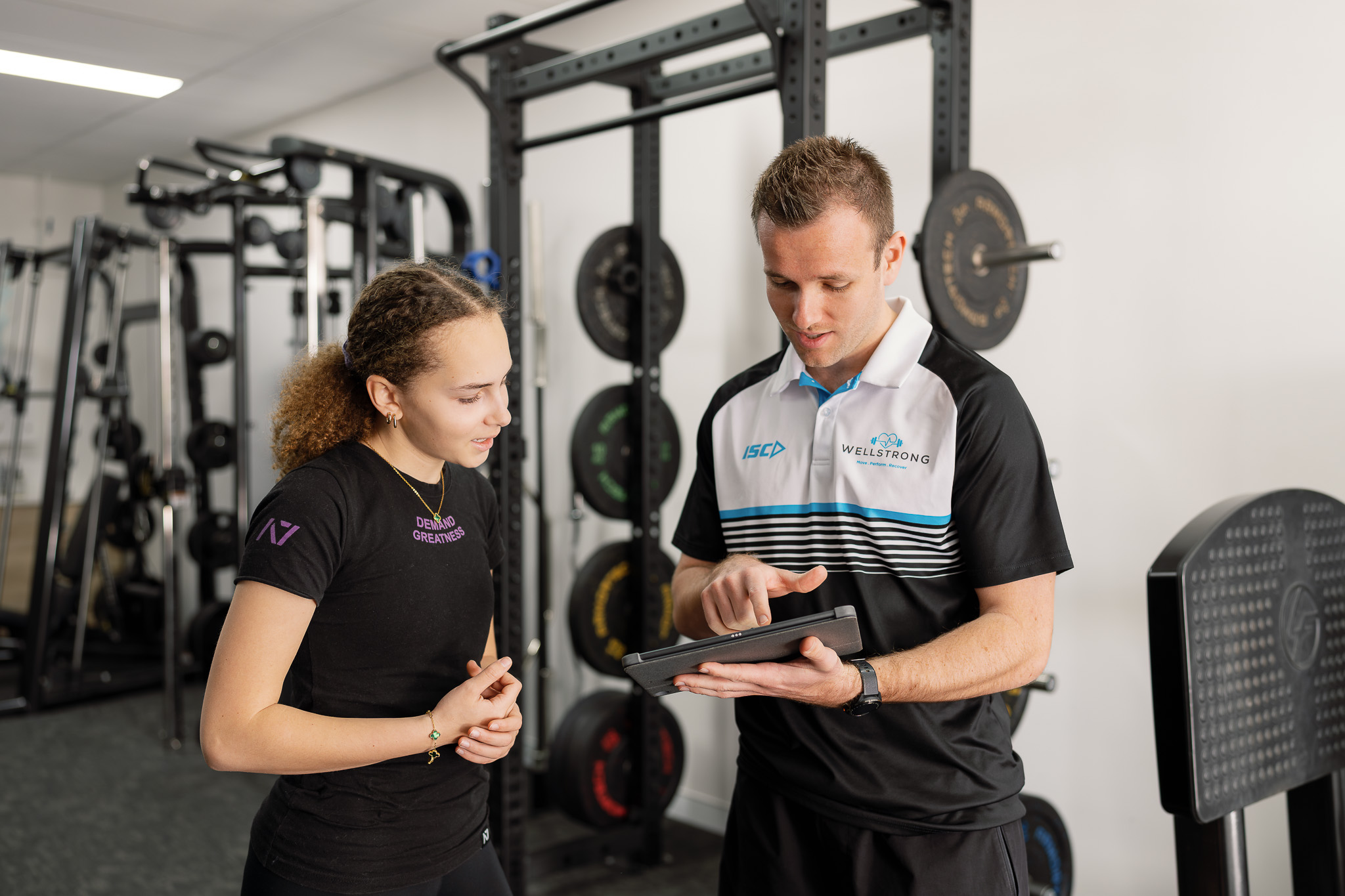
Your first session starts with an initial consultation, where we discuss your goals, any past injuries or limitations, and your current level of mobility. From there, we’ll create a tailored exercise plan that fits your lifestyle, ability, and long-term goals.
If you’re eligible, sessions may be rebated through Medicare, Private Health Insurance, or the NDIS, depending on your circumstances and referral type. We can collaborate with your GP, physiotherapist, or other healthcare providers, and with your permission, share progress updates and treatment plans to ensure your care is consistent, coordinated, and fully aligned with your care plan.
Whether you’re managing a health condition, returning to activity, or simply wanting to build strength with confidence, Scott provides the expertise and support to help you move safely and progress at your own pace.
Join the Wellstrong Community
Both Personal Trainers and Exercise Physiologists help people move better and improve their overall wellbeing, but their backgrounds and focus are different. Exercise Physiology takes a holistic, evidence-based approach to physical health, helping people improve function, longevity, and confidence through movement that’s tailored to their individual needs.
If you’ve been putting off exercise because of pain, injury, or uncertainty, an Exercise Physiologist can help you take that next step safely and effectively.
At Wellstrong, we’ll meet you where you’re at, creating a personalised plan that fits your lifestyle and ability, backed by friendly, expert guidance from our experienced Exercise Physiologist.
All it takes to begin is reaching out. To learn more about how Exercise Physiology can support your health and wellbeing, get in touch with us today.
We welcome clients of all ages and ability levels, tailoring every program to ensure you receive the right guidance, care, and support.